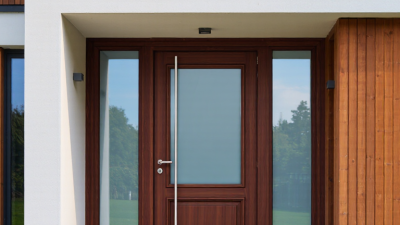
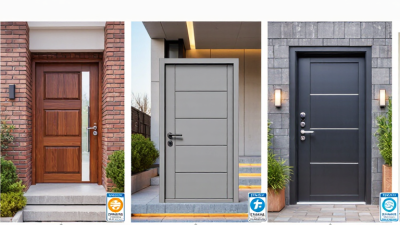
What Are the Most Popular Modern Front Door Styles?
A front door does more than mark an entrance. It sets the tone for a home, frames the view from the street, and must withstand daily use. A modern front door can bring these roles together through clean lines, thoughtful materials, and practical details. Think of a matte-black pivot door, a warm oak slab, or a narrow glass panel catching the afternoon light.
Architect Frank Lloyd Wright wrote, “The space within becomes the reality of the building.” His words offer a useful lens for entry design: the door connects a home’s outer appearance with the experience inside. Popular modern styles often include minimalist flush doors, bold statement doors, glass-and-metal designs, and natural wood finishes. Each changes the entrance in a different way. Some welcome daylight; others offer more privacy or visual weight.
Looks are only part of the decision. A striking glass door may need careful attention to privacy, while a dark finish can show dust and fingerprints. Details matter. Material, glazing, hardware, insulation, and maintenance all shape how a door performs over time. There is no single best choice, and style trends can make practical needs easy to overlook. The sections ahead explore popular modern front door styles, their defining features, and what homeowners should consider before choosing one.
What Defines a Modern Front Door?
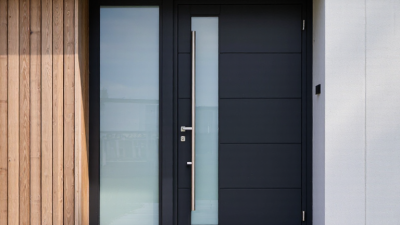
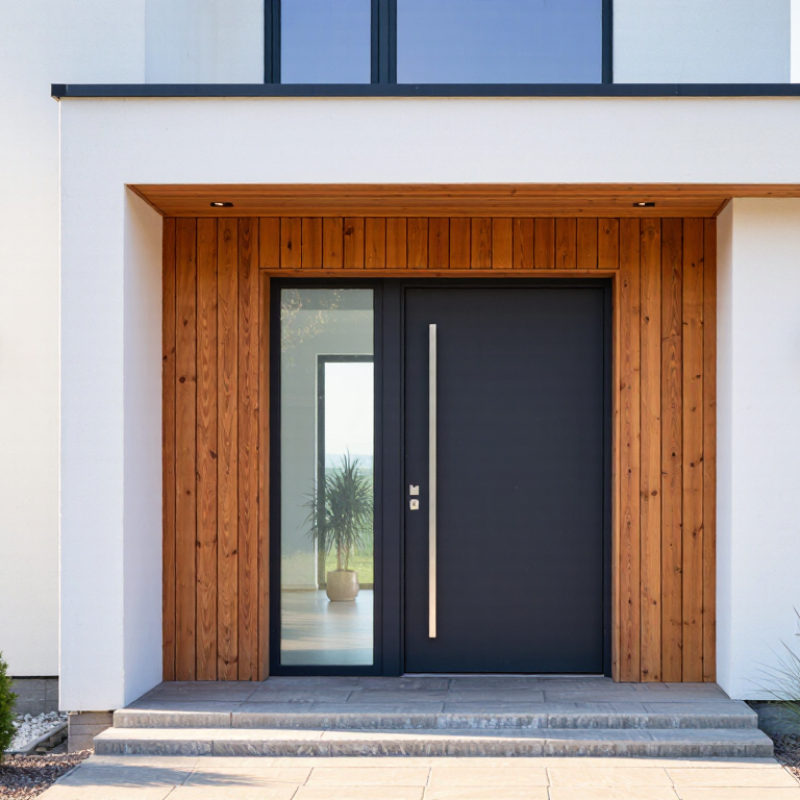
A modern front door is defined less by a single look than by clean proportions, purposeful materials, and practical performance. Flat or lightly textured panels, narrow glass inserts, and simple hardware often create a restrained appearance. The lines matter. A wide slab with a slim vertical window can feel contemporary without looking stark.
Materials shape both the look and the daily experience. Painted wood offers warmth, while metal or fiberglass can provide a smoother finish and reduce routine upkeep. Glass brings daylight into a dim entry, but its size and placement affect privacy. In practice, even a small sidelight can brighten a hallway noticeably. Hardware should feel comfortable in the hand, not merely match the door’s finish.
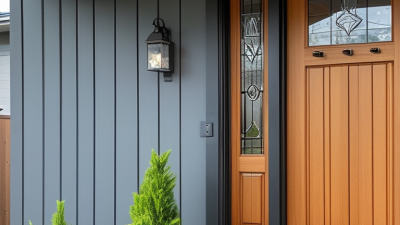
Modern does not have to mean plain. A deep color or visible wood grain can add character, though too many contrasting details may compete with the architecture. I’d be cautious about choosing from a photo alone. The same finish can look cooler in a shaded entry and warmer in afternoon sun. Check the door’s insulation, weather seals, and fit alongside its appearance; a beautiful design is less convincing when cold air slips around the frame.
Which Modern Front Door Styles Are Most Popular?
Clean-lined slab doors are among the most popular modern choices. Smooth surfaces, slim frames, and minimal hardware give them a quiet, architectural look. Charcoal, black, and warm oak are common finishes. Less can work. Still, a sleek door can look impressive in a photo and feel oddly cold beside older brick or stone.
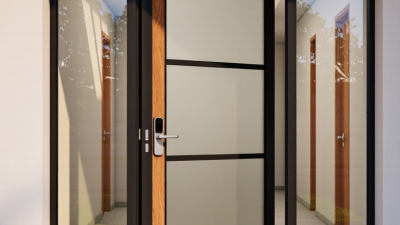
Glazed designs are another favorite, especially doors with narrow vertical or offset glass panels. They bring daylight into a dim hallway without making the entrance feel fully open. Frosted or textured glass limits views from outside, while clear glass creates a brighter, more open effect. Check the glass rating, frame seals, and threshold—not just the appearance—because these details affect comfort and weather resistance. A small detail matters.
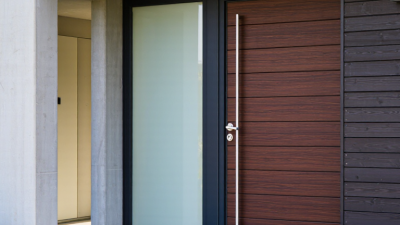
Natural-wood doors remain popular for their visible grain and welcoming color, often paired with simple dark hardware. Vertical grooves or geometric panels add texture without ornate decoration. Pivot doors make a bold statement on wide entrances, but they need room to swing and careful fitting. Popularity is not a reliable design test: a dramatic door may overwhelm a compact facade. Compare proportions, weather exposure, and maintenance needs in person; finishes can look different in changing daylight.
How Do Materials and Finishes Shape Modern Door Styles?
Modern front doors often look simple, but material determines how that simplicity performs.
Steel suits crisp, flat panels and resists everyday knocks. Fiberglass can mimic oak grain with less upkeep, while wood offers natural depth and variation. It needs more frequent sealing, especially in strong sun or rain. Small details matter. Matte black sharpens a pale facade; warm bronze or muted green can soften it. Dark paint may look nearly black in shade, so check a sample outdoors before deciding.
The 2024 Cost vs. Value report estimated that steel entry-door replacement recouped
188.1%
of its project cost at resale nationally. That is a modeled remodeling return, not a guarantee for an individual home. It does not measure finish preferences or energy savings. For efficiency, compare the whole door’s U-factor and weatherstripping, not appearance alone. The U.S. Department of Energy notes that insulated steel and fiberglass doors can reduce heat transfer. A beautiful finish still disappoints if the frame leaks or the color clashes with changing daylight.
What Features Distinguish Each Modern Front Door Style?
Flush-panel doors have a flat, unornamented face and crisp edges. Their appeal is restraint: a matte finish and narrow hardware let the entry feel contemporary without competing with nearby materials. A perfectly blank slab can look a little severe, though; warm wood grain or a slim sidelight softens the effect.
Full-lite and vertical-glass styles bring daylight into a darker foyer. Look for clearly defined glass proportions, slim frames, and privacy glazing where the entry faces a walkway. Pivot doors make a dramatic, wide-moving statement, while standard hinged doors feel familiar and usually need less clearance. Check the seal and threshold carefully. A striking door is less useful if it admits drafts.
Tips: Match the door to the home’s scale, not just a photo. Measure the opening and note sun exposure before choosing a finish. Zonda’s 2024 Cost vs. Value Report estimated a 188.1% cost recoup for a steel entry-door replacement and 129.9% for fiberglass. These are national project estimates, not guarantees or rankings of modern styles. The material, installation, and local market all matter.
How Can You Choose a Modern Front Door Style for Your Home?
Choosing a modern front door begins with the house itself. Look at its roofline, window frames, and exterior materials before choosing a design. A flat-panel door can suit a simple façade, while narrow glass panels may soften a boxy entrance. Take photos at different times of day; daylight can make glass look more exposed than it seemed in a showroom.
Consider how you use the entry. A large glazed panel brightens a dark hallway, but textured or frosted glass can provide privacy. If the door faces strong sun or driving rain, ask a qualified installer about suitable finishes, weather seals, and insulation. Small details matter. Handle height, hinge placement, and the swing direction affect daily comfort as much as appearance.
Material choice should reflect your maintenance habits and local conditions. Wood offers visible grain, but it may need regular care, especially in damp or sunny locations. Fiberglass and steel can be practical alternatives, though their appearance and repair options differ. Check measurements, security hardware, and any building requirements before ordering. It is easy to focus on the color and overlook the threshold; I would measure that twice. A sample viewed beside your exterior trim can reveal an awkward contrast before installation.
Choosing a Modern Front Door: Common U.S. Nominal Widths
Modern flush, panel, and glass-panel designs are available in a range of configurations. These commonly available nominal slab widths can help narrow your options; measure the existing opening and check local building requirements before choosing a door.