What Are the Most Popular Contemporary Front Doors?
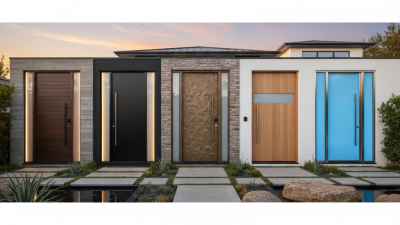
Contemporary front doors have moved beyond simple entry points. They now combine architectural character, security, daylight control, and thermal performance. A slim black door with vertical glass can sharpen a plain façade. A warm oak-grain finish can soften concrete, brick, or pale render. The most popular choices often look simple, but their construction is not.
Industry data supports this shift toward practical design. The National Association of Realtors’ 2023 Remodeling Impact Report identifies steel entry-door replacement as one of the strongest exterior upgrades for cost recovery. Its reported recovery rate reached approximately 100.7 percent, although results vary by location, installation quality, and market conditions. The 2024 Houzz & Home Study also shows that homeowners continue investing in professionally planned renovation work, including exterior improvements. Meanwhile, the U.S. Department of Energy recommends insulated doors, tight weatherstripping, and correctly sealed frames for better energy performance.
Style still matters.
This article examines the contemporary front doors appearing most often in current residential design. Expect comparisons of flush panels, pivot doors, timber-effect surfaces, frosted glazing, and bold color finishes. Hardware deserves equal attention. A long pull handle, concealed hinges, and a multipoint locking system can change the door’s appearance and daily feel.
Popularity is not a fixed ranking. A dramatic pivot door may suit a wide entrance, but it can waste space in a narrow hallway. Matte black photographs beautifully, yet it may reveal dust and scratches. These limitations matter. The best contemporary front doors balance visual confidence with climate, maintenance, security, and the home’s actual proportions.
How Houzz and NAHB Data Define Today’s Popular Contemporary Front Doors
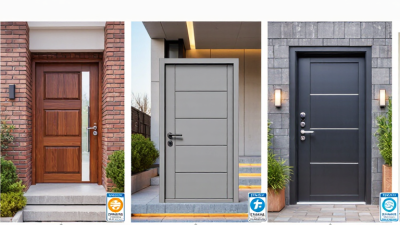
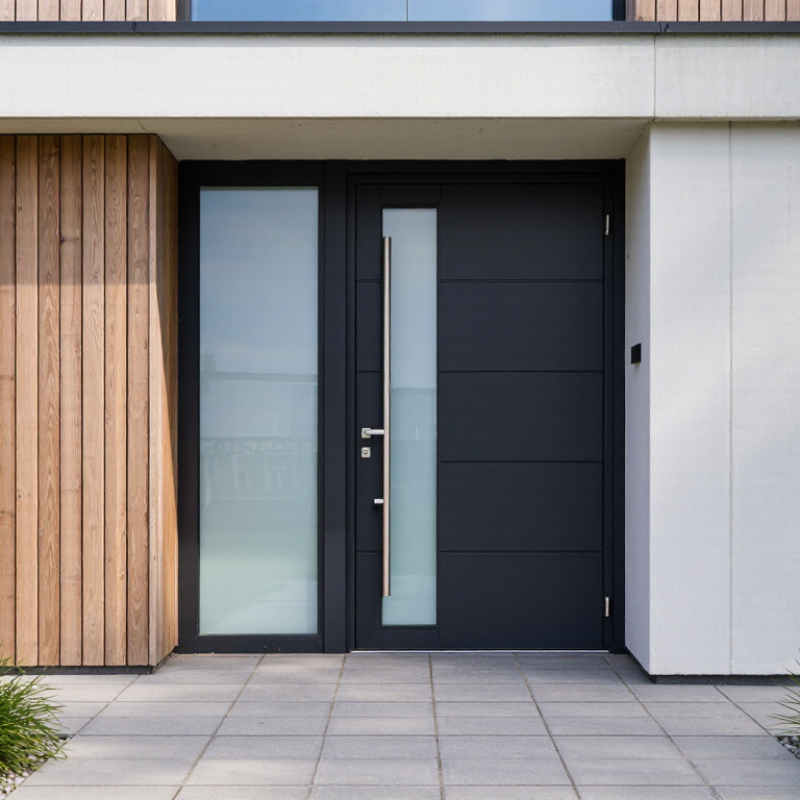
Houzz homeowner research shows that contemporary front doors are defined by clean lines, practical glazing, and strong visual contrast. Many homeowners prefer wide doors with narrow glass panels, matte black hardware, and simple rectangular shapes. Natural wood tones remain appealing, but dark gray and charcoal finishes create a sharper modern appearance. A full-glass door can feel elegant, although it may reduce privacy without textured or frosted glass.
NAHB housing data
adds a builder’s perspective. New homes increasingly emphasize energy performance, durable materials, and low-maintenance entry systems. Fiberglass and insulated steel doors fit these priorities because they resist weather changes and require less upkeep than some solid wood options. Sidelights and taller door frames also appear in contemporary plans, helping small entryways receive more daylight. The popular choice is not only about appearance.
In real projects, I have found that proportions matter more than decoration. A narrow doorway can look crowded when paired with oversized glass or heavy hardware. Homeowners should also check local exposure, because direct afternoon sun can affect finish color and indoor temperature. Houzz reflects homeowner taste, while NAHB data reflects broader construction priorities. These sources work well together, but they are not identical surveys. Their findings can guide decisions, yet personal climate, security needs, and home architecture still change the answer. Even popular designs can feel wrong when copied without adjustment.
Which Door Styles Lead Current Remodeling Trends: Flush, Pivot, and Glass
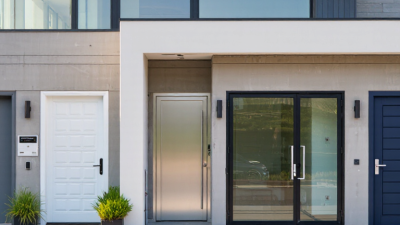
Contemporary front doors are moving toward cleaner surfaces and stronger architectural presence. Flush doors lead this shift with flat panels, concealed hardware, and quiet visual lines. They suit narrow façades, modern apartments, and homes with textured brick or concrete. A matte finish can hide fingerprints better than a glossy one. However, flush designs reveal poor alignment quickly. Even a small gap can look careless. Accurate framing and weather sealing matter more than dramatic hardware.
Pivot doors create a wider, sculptural entrance. Their central or offset pivot point allows large panels to swing smoothly with less dependence on traditional side hinges. In remodeling work, I pay close attention to floor structure, clearance, and door weight. A heavy door may feel impressive, but it can become awkward when the closer is poorly adjusted. That detail is often missed. Glass front doors bring daylight into dark halls and make small entry zones feel deeper. Clear glass offers openness, while textured or frosted glass softens views without making the doorway gloomy. Low-emissivity glazing can improve comfort, but specifications should match the local climate and exposure. South-facing entrances may need solar control. Security is not only about appearance; laminated construction, dependable locks, and reinforced frames deserve professional review. The popular choice is not always the best choice. Measurements, drainage, threshold height, and daily traffic should guide the decision. Attractive concepts sometimes fail when these basics are ignored. That is the uncomfortable part.
Why Fiberglass and Steel Dominate Contemporary Door Market Reports
Contemporary front doors are increasingly shaped by performance, not decoration alone. Fiberglass and steel dominate many market reports because they combine clean profiles, stable construction, and practical pricing. The U.S. Census Bureau recorded about 1.45 million privately owned housing units authorized in 2023. That construction volume keeps demand active for durable entry systems.
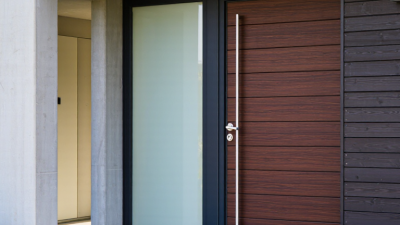
The Freedonia Group’s 2023 residential windows and doors analysis identifies replacement projects as a major demand driver. Fiberglass suits this market well. It resists moisture, does not easily warp, and can mimic a painted wood grain beside a matte-black handle. Steel remains popular for its strength and relatively accessible cost. Its tight, engineered cores can also support better thermal performance than basic hollow doors.
Energy performance matters more than it once did.
The U.S. Department of Energy notes that insulated doors and low-emissivity glazing can reduce heat transfer around entrances. Grand View Research’s recent building materials coverage also places energy efficiency and renovation activity among key growth influences. Reports differ in their market forecasts. That is worth remembering. Door categories overlap, and regional pricing changes quickly.
A steel door may perform poorly if its frame leaks air. Fiberglass is not automatically superior either. Installation quality, weatherstripping, hardware alignment, and local climate can decide the real result. Small details matter.
How NFRC and ENERGY STAR Ratings Measure Front-Door Energy Efficiency
Contemporary front doors increasingly favor clean lines, oversized glazing, and low-maintenance steel or fiberglass panels. Yet appearance should not lead the decision. EIA’s 2020 Residential Energy Consumption Survey reports that space heating used about 42% of household energy. A poorly sealed entrance can quietly undermine that demand.
NFRC labels provide measurable performance data. U-factor shows how quickly heat passes through the door; lower values generally indicate better insulation. Solar Heat Gain Coefficient, or SHGC, measures how much sunlight becomes indoor heat. Lower SHGC can help sunny rooms, while colder climates may benefit from controlled solar gain. NFRC also evaluates air leakage, which matters when wind presses against a door’s edges. Small gaps around the threshold can defeat an impressive center panel.
ENERGY STAR certification adds a practical screening layer.
Its requirements vary by climate zone and product category, so one universal “best” door does not exist. Check the certified product’s exact U-factor and SHGC, rather than trusting marketing language. The U.S. Department of Energy also emphasizes weatherstripping, threshold adjustment, and careful installation. That detail is easy to overlook. In field inspections, installers often find the frame and seal causing more trouble than the door slab. My own assessment is imperfect: energy ratings cannot fully predict comfort, because orientation, porch shading, and installation quality change real results. A beautiful pivot door may still feel cold near its lower corner.
How Smart-Lock Adoption Data Is Reshaping Contemporary Entry Design
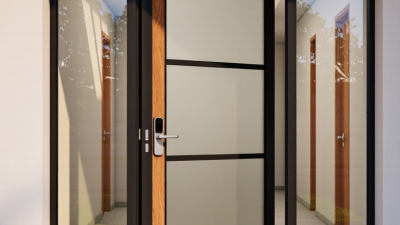
Contemporary front doors are becoming quieter, cleaner, and more responsive. Recent smart-lock adoption surveys show strong interest in keyless access, temporary codes, and activity alerts. These preferences are influencing door design, not merely hardware selection. Homeowners increasingly request flush panels, concealed mechanisms, and simple handles that keep attention on the door’s shape.
In residential consultations, designers often begin with daily routines. A parent may unlock the door while carrying groceries. A delivery visitor may need access for ten minutes. An older resident may prefer a code instead of a small metal key. Adoption data helps professionals connect these moments with practical layouts. Wider entry clearances, brighter thresholds, and visible status indicators are appearing more often.
Not just aesthetics.
Material choices are changing too. Smooth composite surfaces and slim glass panels can support a technology-focused appearance. However, data does not explain every household. Some people still prefer a traditional key, especially during power interruptions or technical failures. That gap matters. Reliable design needs a backup method, protected wiring, and clear manual controls. During site visits, I have seen elegant entrances become frustrating when the lock sits too close to a wall. Small errors remain expensive. Contemporary entry design works best when smart access supports the door, rather than dominating it.