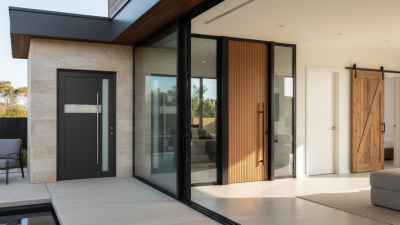
2026 Top Types of External Front Doors for Global Buyers
External front doors are no longer selected for appearance alone. In 2026, global buyers will compare thermal performance, security, durability, maintenance, and installation conditions. A steel door may suit a high-security urban entrance. A fiberglass door may better handle coastal moisture. Solid timber still offers warmth, but it demands disciplined sealing and inspection.
Market data shows why this category deserves closer attention. Grand View Research valued the global windows and doors market at approximately USD 207 billion in 2023. Its report projects a compound annual growth rate of about 5.5% from 2024 to 2030. Fortune Business Insights also identifies residential renovation, energy efficiency, and construction growth as important demand factors. However, these reports define “doors” differently. Their figures should guide decisions, not replace product-level verification.
Dr. Joseph Lstiburek, founder of Building Science Corporation, says, “A building is a water management system.” His point is simple. A beautiful door can still fail when flashing, thresholds, or drainage are poorly designed. Weather exposure matters. So does the installer.
This guide examines the top types of external front doors for global buyers, including timber, steel, fiberglass, aluminum, glass-panel, composite, and smart-entry models. It compares real-world strengths, visible limitations, climate suitability, and lifecycle value. Some rankings may remain debatable. That is intentional. Buyer priorities differ, and a perfect universal door does not exist.
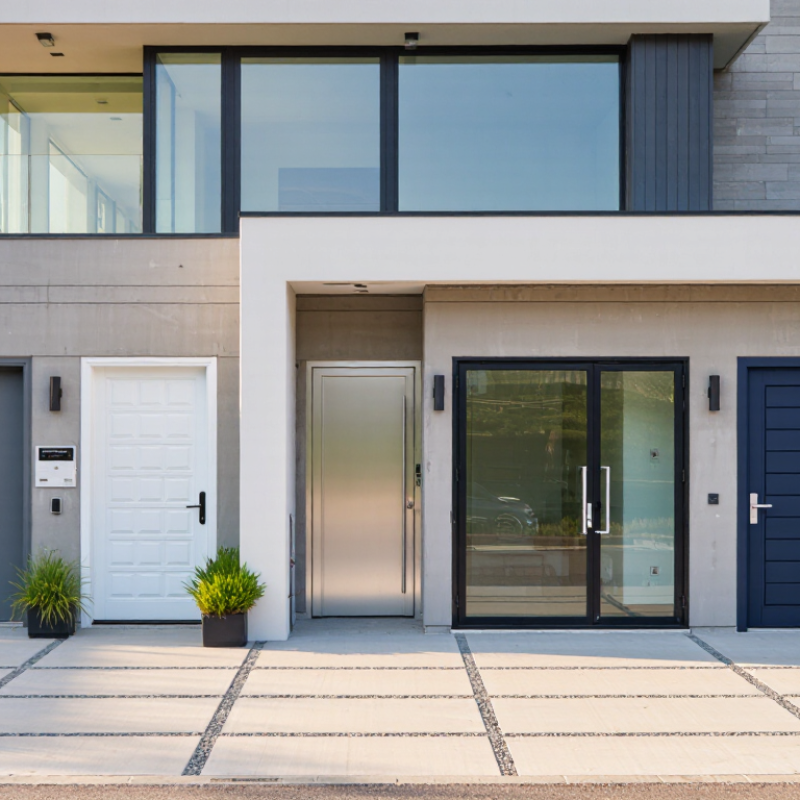
What Defines an External Front Door for Global Buyers
2026 Top Types of External Front Doors for Global Buyers
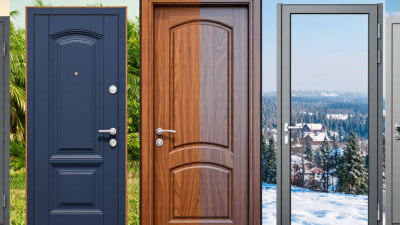
An external front door separates a conditioned interior from outdoor exposure. It is not simply an attractive entrance. It must manage rain, wind, sunlight, temperature changes, noise, and unauthorized access. Materials define many common types, including solid timber, engineered wood, fiberglass, steel, and aluminum doors. Each option behaves differently in real climates.
A reliable external door usually has a weather-resistant finish, tight seals, a stable frame, and a properly designed threshold. In coastal areas, corrosion-resistant hardware matters. In cold regions, insulated cores and low-air-leakage seals improve comfort. Hot climates may require shaded glazing or solar-control glass. Small details matter. A poorly fitted threshold can allow water under the door during heavy rain.
Global buyers should also check opening dimensions, door swing, hardware compatibility, packaging, and installation requirements. Local building rules may control fire performance, emergency exits, energy efficiency, or safety glazing. Test reports should identify the tested size, configuration, and climate conditions. A rating alone can mislead when the installed product differs from the tested model.
Practical experience often reveals weaknesses that catalog images hide. Timber may move slightly after installation. Dark finishes can become hot under strong sunlight. Large glass panels may increase weight and handling difficulty. I once underestimated threshold height during a renovation, and the finished floor created an awkward step. That mistake changed how I evaluate accessibility and drainage. A suitable door balances appearance, climate performance, maintenance, security, and local installation realities.
How Door Materials Affect Performance and Appearance
External front door materials shape more than curb appeal. They influence insulation, security, maintenance, and service life. Global buyers should match the door to local weather, not only interior style.
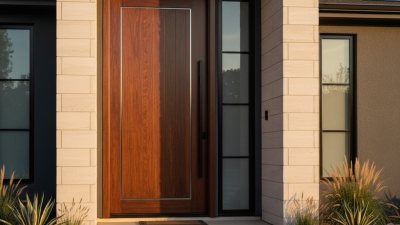
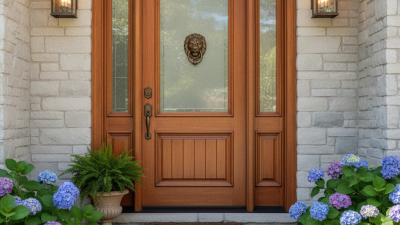
Fiberglass doors resist moisture, insects, and daily temperature changes. Their textured surfaces can imitate oak without regular staining. Steel doors provide strong impact resistance and often support excellent insulation. However, damaged coatings may expose metal to corrosion, especially near salty coastal air. Wood offers natural grain and warmth. It also expands and contracts with humidity. A deep overhang, sealed edges, and scheduled refinishing become important. Beautiful, but demanding.
Aluminum doors are lightweight and resist rust, yet their thermal performance depends on insulated frames and effective glazing design. Glass panels can brighten a narrow entryway, but low-emissivity glass and secure hardware deserve careful checking. In colder regions, examine the door’s U-value and weather seals. In hot climates, look for solar-control glazing and light-colored finishes. During site evaluations, I have seen attractive doors fail because installers ignored threshold drainage. Small details matter. Even a premium material performs poorly with weak hinges, uneven frames, or compressed seals.
No material is perfect. That is easy to forget. Buyers should request documented test results, warranty conditions, and maintenance guidance. Regional installers can also confirm whether replacement seals and compatible hardware are readily available.
2026 Top Types of External Front Doors for Global Buyers
How Door Materials Affect Performance and Appearance
What the data shows: Fiberglass and insulated steel doors generally provide the strongest thermal performance, while wood offers a warmer, more traditional appearance with moderate insulation. Aluminum doors are lightweight and highly customizable, but their thermal performance depends heavily on thermal breaks and insulation.
Appearance and maintenance: Fiberglass can reproduce wood-grain textures with relatively low maintenance. Steel provides clean modern finishes and strong security but may be vulnerable to dents or surface corrosion if damaged. Wood delivers natural grain and extensive customization but requires more regular sealing or repainting. Aluminum supports slim contemporary designs and broad color choices, usually with minimal corrosion maintenance.
Data note: The chart presents typical insulated door-panel R-value ranges in h·ft²·°F/Btu. Actual whole-door performance varies with thickness, glazing, weatherstripping, frame construction, installation quality, and local climate. Aluminum values assume thermally improved construction.
Reference: U.S. Department of Energy guidance on doors, insulation, glazing, and energy performance.
Which Exterior Door Styles Suit Different Building Types
2026 Top Types of External Front Doors for Global Buyers
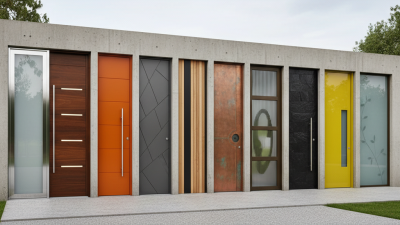
For global buyers, an exterior front door should match the building’s scale, exposure, and daily traffic. A compact urban apartment benefits from a flush steel or fiberglass slab, narrow glazing, and a multipoint lock. It saves corridor space and limits unwanted sightlines.
The 2024 Cost vs. Value Report by Zonda recorded
188.1% cost recouped
for steel entry-door replacement in its U.S. sample. That figure is not universal. It still shows how durable entry doors can influence perceived value.
Detached houses allow wider pivot, paneled, or glazed doors, but orientation changes the specification. On west-facing façades, deep overhangs and low-solar-gain glass can reduce afternoon heat.
The U.S. Department of Energy reports that windows account for 25–30% of residential heating and cooling energy use. Doors belong in the same envelope strategy.
For humid coastal homes, thermally broken frames, corrosion-resistant hardware, and raised thresholds deserve priority. For cold climates, insulated cores and compression seals matter more than decorative carving.
Schools, clinics, and offices need robust, accessible doors with clear opening widths and replaceable hardware. High-traffic buildings often suit aluminum or steel systems better than delicate timber. Hotels may require acoustic cores and concealed closers, especially near guest rooms.
A door can look impressive and still perform poorly. A recurring specification mistake is prioritizing a dramatic handle over drainage and sill detailing. That choice is easy to regret.