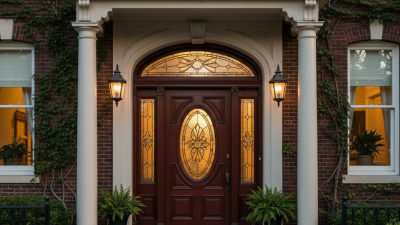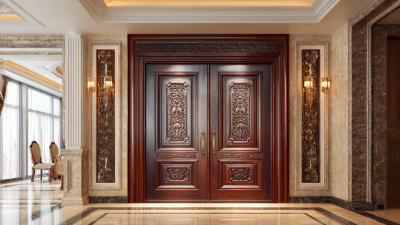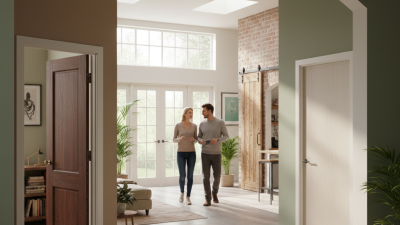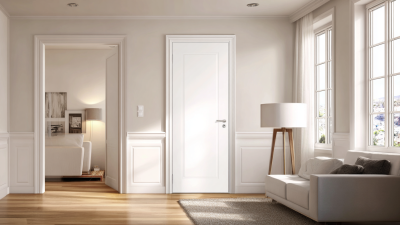
A modern front door does more than frame the entrance. It affects curb appeal, daylight, privacy, security, and how comfortably a home handles changing weather. In 2026, the best choice is not simply the newest design or most expensive material. It is the door that suits the house, local climate, daily use, and budget.
That can mean a clean-lined fiberglass door with a convincing wood-grain finish, a steel model with strong insulation, or a timber door chosen for its natural character. Details matter. Check the frame, weather seals, glazing, hardware, and finish—not just the color in a showroom. A large glass panel can brighten a dark hallway, but it may reduce privacy. A darker finish can look striking, though it may show dust and wear more readily.
A dependable comparison starts with product specifications and ends with careful installation. Review the manufacturer’s performance information, warranty, and maintenance guidance. Ask a qualified installer how the door will fit the existing opening and resist drafts or water entry. Small gaps matter. So does the threshold.
There is no perfect door for every home, and design trends can be persuasive without being practical. A little doubt is useful. This guide looks at materials, styles, energy performance, security features, and costs to help identify a modern front door that looks right and works well over time.
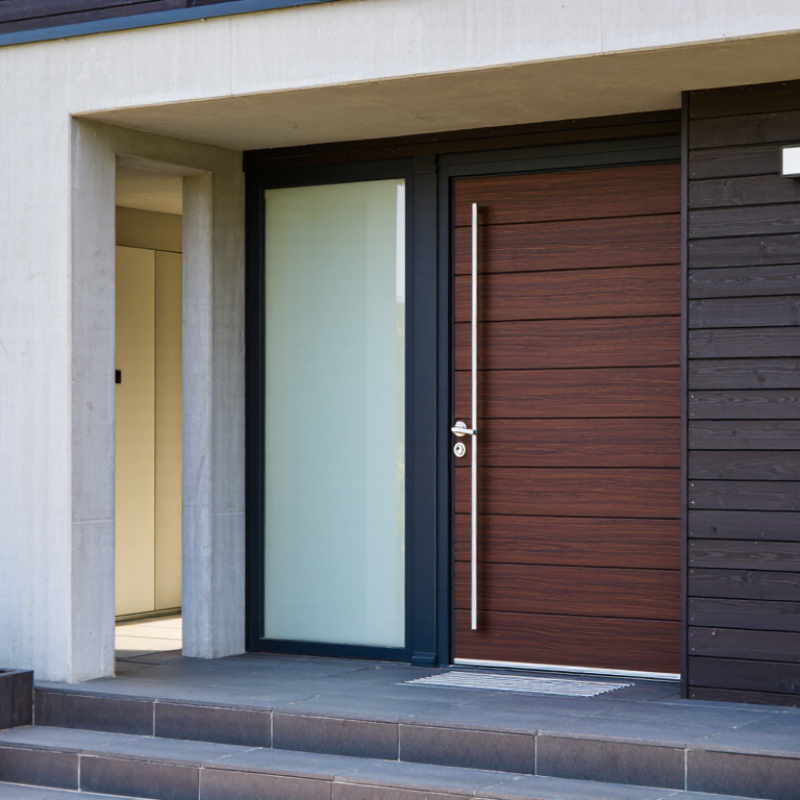
What defines a modern front door in 2026 is not a single style. It is a clear, calm design that works hard every day. Think of a flush timber-look slab, a narrow vertical window, and a handle easy to grip with cold hands. Slim glazing can bring daylight into a dim hallway, but privacy matters too. A beautiful door can still feel wrong if it exposes the entryway or sticks in wet weather. Small details count.
Performance belongs in the design conversation.
Check the door’s energy label, weather seals, threshold, and fit—not just its finish. The U.S. Department of Energy recommends weatherstripping and proper sealing to reduce drafts around doors. In the 2025 Cost vs. Value Report, steel entry-door replacement had an estimated 99.1% cost recouped at resale, based on national averages. That figure is not a promise; local prices and project choices vary. Still, it suggests that a solid, well-fitted entrance can be both practical and visually valuable. Quietly modern. Maybe less glass is the wiser choice on a street-facing home.
A modern front door should suit the home’s climate, exposure, and daily use—not just its appearance. Fiberglass resists moisture and usually holds its shape through seasonal changes. Steel offers a strong, low-maintenance surface, though damaged coatings can expose it to rust. Wood brings warmth and can be repaired, but it needs regular care, especially on a sunlit or rain-facing entrance.
Construction details often matter more than the material label. Look for an insulated core, tight weatherstripping, and a well-fitted threshold that blocks drafts without catching shoes. For glass panels, choose insulated glazing suited to the climate, and check how the frame supports it. A door can have impressive specifications and still leak air if its frame is poorly installed. Details matter.
Ask about the door’s energy ratings and the installer’s method for sealing the opening. Flashing and a sloped sill help direct water away from the wall; they are easy to overlook. Hardware should feel solid and operate smoothly, but heavier does not automatically mean better. I would not treat any material as maintenance-free. Even a carefully chosen door needs occasional checks for loose seals, sticking, or water marks after storms.
A modern front door works best when its style belongs to the house, not just the current trend. Clean, flat panels suit many contemporary facades, while narrow vertical grooves can add texture without looking busy. Check the door beside the home’s actual materials: charcoal siding, pale brick, and warm timber each change how a finish appears. Proportion matters, too. A very wide handle can overwhelm a slim door, even when both look striking in a showroom.
Color sets the first impression. Deep green or muted blue can soften a crisp exterior, while black creates a sharper outline against light walls. Sunlight and shade may shift those colors, so view samples outdoors at different times. Test the finish near the entry. That small step is easy to skip. I would avoid choosing from a screen alone; the color often feels different at the threshold.
Glass can bring daylight into a hallway and make an entry feel less enclosed. Clear panes offer more light, but they may reduce privacy, especially when the door faces a path or street. Textured or frosted glass can blur views while keeping the space bright. Consider where the glass sits, how much of the interior it reveals, and whether the frame complements the door’s lines. There is no perfect balance for every home. I still find that a little less glass can feel more welcoming than a dramatic panel that leaves the entry exposed.
| Design direction | Door style and material | Color approach | Glass choice | Design strengths | Practical considerations |
|---|---|---|---|---|---|
| Warm minimalist | Flush or lightly grooved slab; commonly offered in fiberglass, steel, or wood. | Natural wood tones, warm white, or soft taupe. | A narrow vertical lite or a small clear or textured-glass insert. | Simple lines pair well with contemporary and transitional architecture; a restrained glass area keeps the door visually calm. | Wood needs periodic finish care. Fiberglass and steel finishes also require maintenance according to the product’s care instructions. |
| Bold architectural | Flat-panel door with a strong, clean frame; available in several door materials. | Deep charcoal, navy, forest green, or black can create contrast with lighter exterior finishes. | Minimal glazing, such as a slim sidelite or a small high-set window. | A saturated color makes the entry a focal point without relying on elaborate ornament. | Dark surfaces can become hotter in direct sun. Consider exposure, finish guidance, and the appearance of the door from inside and outside. |
| Light-filled entry | Door with one or more glazed panels, paired with sidelites or a transom where the opening allows. | Light neutral colors or a natural finish keep the entry feeling open. | Clear, low-emissivity (low-E), or privacy glass, selected for the room’s light and privacy needs. | Glazing can bring daylight into an entry. Low-E coatings can reduce heat transfer, with performance depending on the glass assembly and local conditions. | More glass can reduce privacy. Check glazing performance, orientation, and applicable safety-glazing requirements for the location. |
| Private contemporary | Solid-looking slab with a narrow glazed insert or a modest sidelite. | Muted green, warm gray, bronze, or a natural wood appearance. | Frosted, etched, or reeded glass diffuses views while allowing some daylight through. | Textured or translucent glass softens direct views and adds visual interest without a large clear opening. | Privacy varies with the glass design and lighting conditions. Review a sample in both daylight and nighttime conditions. |
| Classic-modern | Simple panel door with crisp, limited detailing; commonly used in fiberglass or wood. | Off-white, muted blue, sage, or a medium natural stain. | Small divided or patterned glazing, or a simple rectangular lite. | Combines familiar proportions with uncomplicated detailing, making it adaptable to many home styles. | Wood appearance, durability, and maintenance needs vary by material, construction, finish, and exposure. |
| High-performance entry | Insulated door slab and a compatible frame, specified as a complete entry system. | Choose a finish that suits the exterior and is approved for the selected door material. | Double- or triple-pane insulated glazing may be available; low-E coatings can be specified as part of the glass unit. | Insulation and weather control depend on the whole assembly, including the slab, frame, seals, and installation. | Compare the manufacturer’s documented performance ratings for the complete configuration; glass upgrades alone do not determine overall door performance. |
| Selection guide: the best modern front door balances the home’s architecture, desired privacy and daylight, local exposure, maintenance preferences, and documented performance of the complete door-and-frame assembly. Available designs and ratings vary by configuration and region. | |||||
A strong modern front door pairs physical resistance with dependable daily use. Look for a reinforced frame, a sturdy strike plate, and a quality deadbolt or multipoint lock. Longer mounting screws can help secure the strike plate to the framing, but correct installation matters just as much. Small gaps matter. Weatherstripping should compress evenly around the door, while a well-fitted threshold helps limit drafts and water entry. For doors with glass, consider secure glazing and keep the lock beyond easy reach. No single feature makes a doorway invulnerable.
Energy performance depends on the whole assembly, not just the door’s advertised insulation. An insulated core, tight seals, and suitable glazing can reduce heat transfer and drafts. Compare documented performance ratings, and account for your local climate and exposure to direct sun. Smart-home options may include keyless entry, auto-locking, temporary access codes, and alerts when the door opens. Choose a system with clear privacy settings, secure account controls, and a physical backup method. A connected lock can be useful, but it adds another device to maintain. Batteries run down. I would check signal coverage and test the lock manually before relying on remote access. Proper sizing and installation often matter more than a long feature list.
A modern front door should suit the weather it faces, not just the façade. In wet, humid regions, look for materials and finishes that resist moisture, with sealed edges that are easy to maintain. In hot, sunny locations, a lighter surface and a shaded entry can limit heat buildup. Cold climates call for an insulated core, tight weatherstripping, and a threshold that seals evenly. Exposure matters.
Before choosing a style, notice whether rain hits the door directly, how much afternoon sun it receives, and whether wind presses against it. A small porch can offer protection, but it cannot correct poor installation. Ask about frame insulation, flashing, drainage, and adjustments after the house settles. These details rarely show in photos. Try the handle.
A contemporary look can come from clean panel lines, narrow glazing, or a simple flush surface. Glass may brighten a dark hall, but choose glazing suited to local sunlight and temperature changes. Check privacy, locking hardware, and whether replacement parts are available. Compare finish samples outdoors; colors can look different beside the entry. I still find appearance easy to overvalue. A beautiful door that swells during rainy seasons can become a daily annoyance.