
7 Best Front Doors with Glass for Modern Homes
A front door does more than mark the entrance; it shapes how a home feels from the street and from within. For modern homes, front doors with glass can bring daylight into a hallway, soften a solid façade, and create a clearer connection between indoors and outdoors. The effect depends on more than appearance. Glass size, placement, privacy, and frame material all influence how a door performs in daily use.
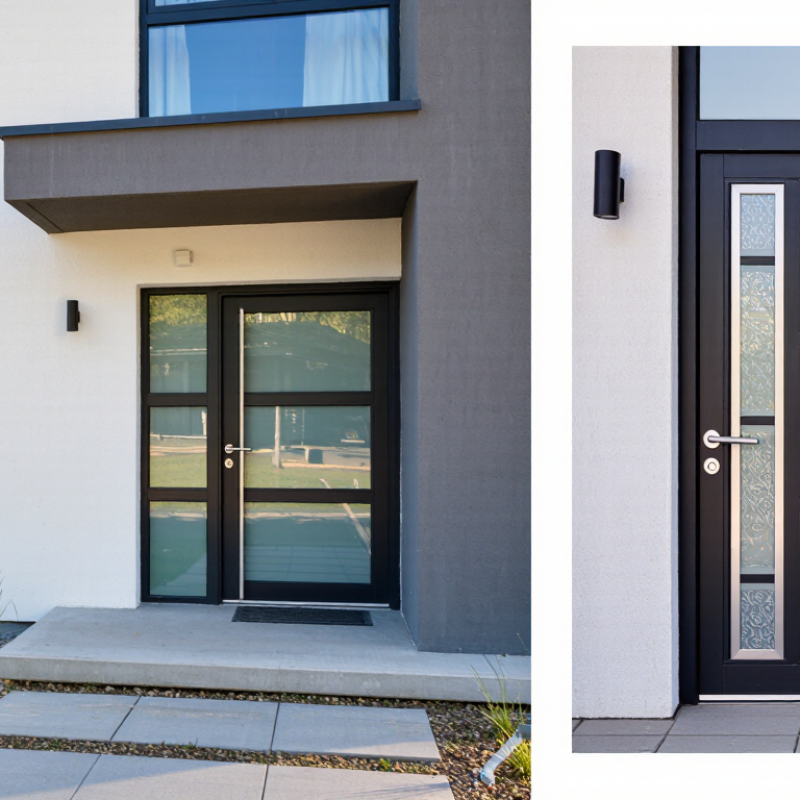
Privacy matters. Clear panels can brighten a dim entry, but they may also reveal more than you want after dark. Frosted, textured, or strategically placed glazing offers a different balance. A slim vertical insert, for example, can admit light without making the whole entrance feel exposed. Details count: notice how the glass aligns with nearby windows, whether the finish suits the home, and how securely the door closes. Looks matter, but so does the everyday feel of the handle and threshold.
This guide explores seven front door styles suited to contemporary homes, from understated glass inserts to larger glazed designs. Each option has practical trade-offs, and no single style fits every entryway. Check product specifications, installation requirements, and local climate considerations before choosing. A bright, striking door may photograph beautifully yet feel too exposed in a street-facing home. That is worth considering. The best choice brings together light, privacy, durability, and a look that still feels right when trends change.
What Defines a Modern Front Door with Glass
A modern front door with glass is defined less by a specific style than by clear proportions and thoughtful details. It often pairs a simple slab with narrow frames, crisp lines, and glass placed to bring daylight into the entry. The glazing might be a vertical panel beside the handle or a larger upper section. Light matters, but so does privacy. Frosted, textured, or carefully positioned glass can soften views from the street without making the foyer feel dim. The effect should feel calm, not showy.
Material and performance choices help define the door, too. Look for glazing designed for exterior use and a frame suited to local weather. A well-sealed unit can reduce drafts, while insulated glass may help limit heat transfer. Check how the door opens, where the sun falls, and whether nearby windows already provide enough light. In real homes, a beautiful clear panel can reveal more than expected at night. I’d think through that detail before choosing; it is easy to overlook on a bright showroom floor.
Tips: View glass samples in morning and evening light. Stand outside and check what can be seen indoors. Ask an installer about weather sealing and maintenance. Small details count. A sleek design still needs practical hardware and a comfortable level of privacy.
7 Best Front Doors with Glass for Modern Homes — What Defines a Modern Front Door with Glass
| Door style | Glass configuration | Light and privacy | What gives it a modern look | Best suited to | Practical considerations |
|---|---|---|---|---|---|
| Full-lite glass door | A large glass panel covers most of the door, with a narrow frame around it. | Brings in abundant daylight. Clear glass offers little visual privacy; frosted or textured glass offers more. | A broad, uninterrupted pane and simple, uncluttered lines. | Entryways where natural light and a view are priorities. | Choose suitable safety glazing and consider privacy, exposure, and energy performance when selecting the glass. |
| Three-quarter-lite door | A tall glass panel occupies roughly the upper three-quarters of the door, leaving a solid lower section. | Allows substantial daylight while the solid lower portion limits direct views near floor level. | A balanced mix of glazing and solid material, often with a clean, rectangular profile. | Homes seeking a bright entrance with more visual screening than a full-lite door. | Glass size and placement affect both the amount of daylight and the view into the home. |
| Narrow vertical-lite door | One slim vertical pane sits near the center or along one side of the door. | Provides a controlled strip of daylight; textured or frosted glazing can reduce visibility. | Strong vertical geometry and a restrained, minimalist arrangement. | Narrow entries or facades where a subtle glass detail is preferred. | The pane's position should suit the home's sightlines and the door's hardware layout. |
| Door with glazed sidelights | A mostly solid door is paired with one or two fixed glass panels beside it. | Sidelights brighten the entry and can provide a view outside; obscure glass adds privacy. | A strong, symmetrical composition with large, simple glass panels. | Wider entrance openings and homes with a defined entry area. | The overall assembly needs to fit the opening; sidelights add glazed area around the door. |
| Reeded-glass door | Vertical ridges run through the glass, creating a ribbed appearance. | Transmits daylight while distorting clear views, with the degree of privacy depending on the glass and lighting. | Adds texture and linear detail without decorative grids or ornate trim. | Entries that need filtered light and a distinctive, contemporary surface. | Privacy varies by product; view samples in both daylight and nighttime conditions before choosing. |
| Frosted-glass door | A translucent or surface-treated glass panel softens direct views. | Lets daylight through while obscuring details; silhouettes may still be visible in some conditions. | A smooth, understated pane that pairs well with plain door surfaces and minimal hardware. | Street-facing entrances where daylight is welcome but clear views are not. | Check the specific glass's privacy level; “frosted” does not always mean fully opaque. |
| Transom-and-glass door | A glass panel sits above the door, sometimes paired with a glazed door panel or sidelights. | Brings daylight in above eye level; privacy depends on whether the door itself is glazed. | Emphasizes height and creates a clean, architectural frame around the entrance. | Tall entry openings or homes that need more light without a large glass area at eye level. | Confirm the transom fits the opening and coordinate its framing and glazing with the door assembly. |
Selection note: Glass type, safety-glazing requirements, energy performance, and installation details vary by product and location. Check local building codes and the door manufacturer's specifications.
Related Posts
-
What Are Front Doors With Glass Called?
-
10 Tips for Choosing Front Doors with Glass?
-

Exploring the Benefits of Internal Doors with Glass in Modern Home Design
-
5 Essential Tips for Choosing the Perfect White Internal Doors
-
What Types of Door Fitters Are Best for Your Project?
-
How to Measure for Made to Measure Internal Doors