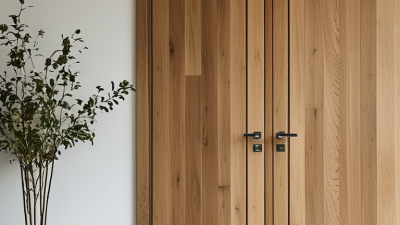
What Are Front Doors With Glass Called?
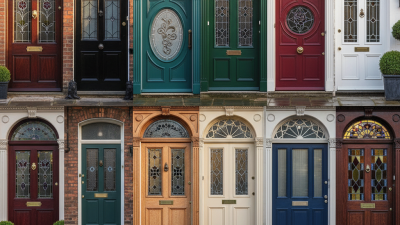
Front doors with glass are commonly called glazed entry doors, glass-panel doors, or exterior doors with lites. In this context, a lite means one glass section within the door. The terminology is not perfectly consistent. Retailers may use different labels for similar designs.
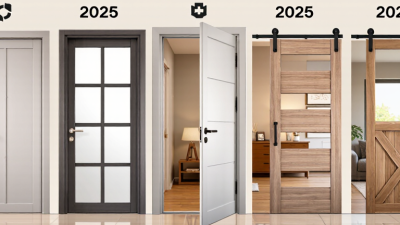
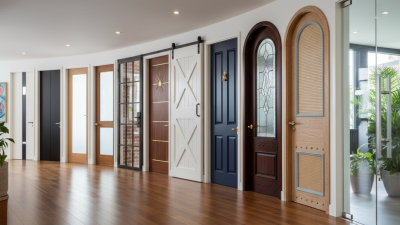
A full-lite door contains glass across most of its surface. It creates a bright entrance and a clear view of the porch. A half-lite door places glass above a solid lower panel. This design offers daylight while protecting privacy near the floor. Doors with narrow glass panels on both sides are called entry doors with sidelites. A small glass panel above the door is called a transom. These details matter when comparing prices, installation requirements, and security features.
Professional guidance supports careful material selection. The U.S. Department of Energy reports that windows account for about 25% to 30% of residential heating and cooling energy use. Glass doors form part of the same exposed envelope. ENERGY STAR and the National Fenestration Rating Council therefore emphasize U-factor, solar heat gain coefficient, air leakage, and certified performance labels. These ratings help buyers compare products beyond appearance.
That said, a label alone cannot guarantee comfort. Installation quality matters. A poorly sealed frame can create a cold draft beside an attractive glass panel. Houzz’s U.S. Houzz & Home Study also shows that homeowners increasingly evaluate exterior upgrades as connected renovation decisions, not isolated purchases. The best term depends on the design, but the best door depends on climate, orientation, privacy needs, and verified performance.
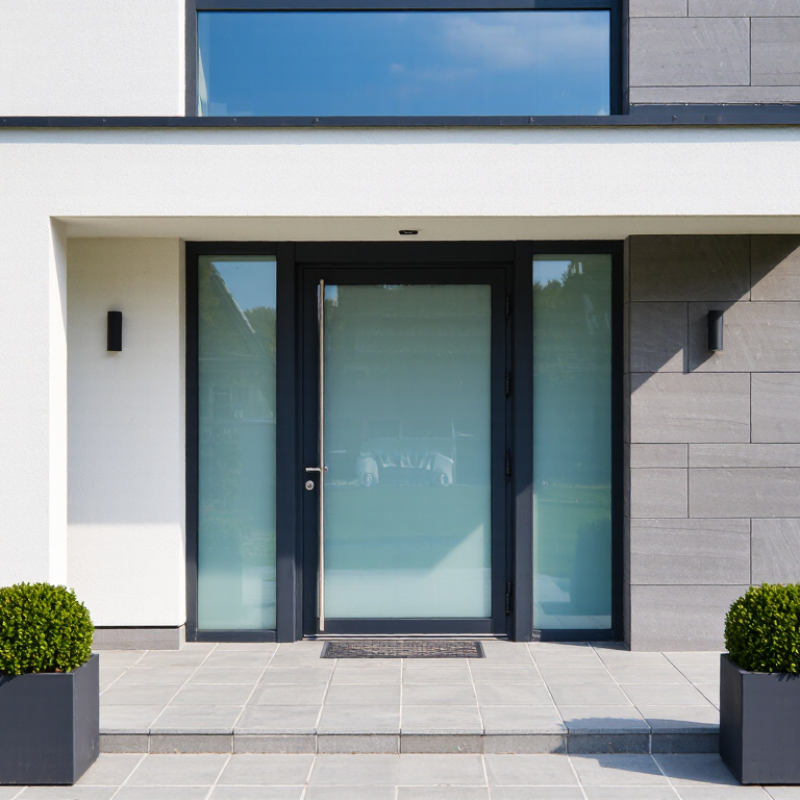
Terminology: Sidelights, Fanlights, Glazed Doors, and Full-View Entry Doors
A front door with glass is commonly called a glazed door. “Glazed” means the door includes glass, whether in one panel or several smaller panes. In renovation work, this term is useful because it describes the door’s construction without implying a specific style.
Sidelights are narrow glass panels installed beside the door. They may appear on one side or both sides, often reaching from the threshold to the head of the frame. A fanlight is a glass panel above the door, sometimes rectangular and sometimes shaped like a shallow arch. Together, sidelights and fanlights can brighten a dark entry while keeping the main door solid. Terminology varies slightly by region, which can cause confusion.
Tips: Ask whether the glass is insulated, tempered, or laminated. Check how the frame seals around each pane. A full-view entry door usually has glass across most of its surface, leaving only a narrow frame around the edges. It can make a hallway feel open, but it may provide less visual privacy. Frosted or textured glass can soften that effect. Measure the opening carefully before ordering; small errors can create serious installation problems. I have found that catalog descriptions are not always consistent, so confirm the glass area and panel layout with the installer.
Glass Configurations and Their Effects on Privacy, Light, and Security
What Are Front Doors With Glass Called?
Front doors with glass are commonly called glazed entry doors. Their glass may be full-lite, half-lite, or arranged in narrow panels. Sidelites add vertical glass beside the door. A transom places glass above it. These configurations change the entrance more than many homeowners expect.
Clear glass brings strong daylight into a dark hallway. It also reveals movement, packages, and visitors from the street. Frosted, etched, or textured glass softens that view while preserving useful light. Half-lite designs offer a practical compromise, especially when furniture or family activity sits near the entrance. I once assumed more glass always made a doorway feel safer. That assumption was too simple. A bright entry can still expose daily routines.
Security depends on the entire door system, not glass alone. Tempered glass is designed to break into smaller pieces, while laminated glass can remain attached after impact. Neither option makes forced entry impossible. A strong frame, reliable locks, accurate installation, and a well-fitted strike area matter just as much. Divided-light patterns may suit traditional homes, but they create more edges and cleaning points. Large uninterrupted panes provide a clearer view, though privacy becomes harder to manage at night. Interior curtains or adjustable shades can help, but they require consistent use. Check that any selected glazing is safety-rated for door applications, and ask the installer how the frame, glass, and hardware work together. Small details matter.
Impact Standards: 100 ft-lb Category I and 150 ft-lb Category II Tests
Front doors with glass are commonly called glazed entry doors or glass front doors. Their performance depends on the complete door assembly, not the glass alone. Impact testing measures how well the unit resists wind-borne debris.
A Category I test uses 100 foot-pounds of impact energy, equal to about 136 joules.
Category II raises the requirement to 150 foot-pounds, or roughly 203 joules.
These tests usually assess the glass, frame, hinges, locks, and surrounding installation. ASTM E1886 and ASTM E1996 provide widely used procedures for evaluating impact-resistant glazing. A passing result should include the tested size, construction, and installation conditions.
The difference is significant. Category II absorbs 50% more energy than Category I. That does not automatically make every Category II door suitable for every building. FEMA’s Coastal Construction Manual, FEMA P-55, identifies openings as vulnerable points during coastal storms. NOAA recorded 27 billion-dollar weather and climate disasters in the United States during 2024. The exposure is real.
Look for a complete test report, not only an impact label. Verify whether the rating covers the entire entry system. A stronger glass pane may still fail through a weak frame or latch. I would also check local wind-zone requirements before choosing a rating. Test categories can be misunderstood, and installation quality remains an uncomfortable variable.
Energy Ratings: NFRC U-Factor, SHGC, and Visible Transmittance Metrics
What Are Front Doors With Glass Called?
Front doors with glass are commonly called glazed entry doors. If narrow glass panels sit beside the door, the design is called an entry door with sidelights. Names vary, but energy performance depends on the complete door assembly, not appearance alone.
The NFRC U-factor measures how quickly heat passes through the door and glass. Lower values generally indicate better insulation. SHGC shows how much solar heat enters through the glazing. A higher SHGC may help warm a cool room, while a lower rating can reduce overheating in sunny climates. Visible Transmittance, or VT, measures the amount of daylight passing through the glass. High VT can brighten an entryway, but it may also increase glare.
In practice, compare the certified whole-unit ratings, not only the center-glass data. Check the frame, glass edges, seals, and threshold. A beautifully insulated panel can still lose energy through a poorly fitted threshold. Small installation gaps matter. They are easy to overlook.
Tips:
Match the ratings to your climate and entry direction. South- or west-facing doors may benefit from lower SHGC. Ask for the NFRC label and installation details. Do not assume the lowest U-factor is always the best choice; daylight, comfort, and solar warmth also deserve attention. Measuring the rough opening twice is wise, because real walls are rarely perfect.