How to Choose the Right Wooden Front Door?

Choosing the right wooden front door involves more than matching a color to your exterior walls. The timber must suit your climate, entrance size, daily use, and maintenance habits. Oak can provide strength and visible grain. Accoya and other modified woods can offer better dimensional stability in difficult weather. Softwoods may reduce costs, but they often need closer attention.

Measure twice. Wood still moves.

Gary Katz, a veteran finish carpenter and door-installation educator, explains, “A door is only as good as the opening it fits.” His advice reflects a practical truth. Even a beautifully crafted slab can warp, drag, or leak when the frame, threshold, or hinges are poorly specified. I have seen homeowners focus on the door leaf while overlooking flashing and drainage. That choice can create expensive problems later.

This guide explores the details that deserve careful judgment. You will learn how to compare wood species, construction methods, glazing, locks, weather seals, finishes, and swing direction. It also considers thermal performance and long-term care. A south-facing entrance may need stronger UV protection. A coastal home may require corrosion-resistant hardware and a more durable finish.

Beauty needs maintenance.

There is no perfect wooden front door for every property. Personal taste matters, but so do exposure, budget, accessibility, and installation quality. Sometimes the most attractive option is not the most practical one. That is worth admitting before purchase. With reliable measurements, suitable materials, and professional installation, your chosen door can improve security, comfort, and curb appeal for many years.

How to Choose the Right Wooden Front Door?

Define Your Wooden Front Door Needs and Priorities

How to Choose the Right Wooden Front Door?

Define your needs before choosing a wood species or decorative panel. Start with the doorway. Measure the rough opening, wall depth, threshold, swing direction, and available clearance. Check the delivery route too; a beautiful door is useless if it cannot pass the hallway. In real installations, overlooked measurements create expensive adjustments. Measure twice. Then list your priorities: security, insulation, appearance, maintenance, or budget. Ranking them prevents attractive details from controlling every decision.

Climate should shape that list. The U.S. Department of Energy reports that windows can cause 25–30% of household heating and cooling energy loss. A front door is not a window, but its frame, gaps, and glazing still affect comfort. Prioritize a tested U-factor, low air leakage, tight weatherstripping, and a properly sealed threshold. The U.S. Environmental Protection Agency and Department of Energy recommend comparing certified energy performance, rather than trusting thickness alone. WDMA performance standards also provide useful benchmarks for structural strength and water resistance.

Wood requires honest maintenance planning. Direct afternoon sun, coastal air, and frequent rain can shorten finish life. Engineered wood components may improve dimensional stability, but they do not eliminate upkeep. I would inspect the lower rail, jambs, and sill every season. That habit is easy to promise and easy to neglect. A darker stain may look richer, yet it can reveal fading sooner. Choose the finish you can realistically renew, not the one that looks perfect on installation day.

Compare Wood Species, Grain, and Construction Methods

How to Choose the Right Wooden Front Door?

Choosing a wooden front door starts with species, grain, and local weather. Oak offers strong texture and good impact resistance. Walnut creates a darker, quieter appearance. Cedar weighs less and naturally handles moisture, but it may dent more easily. Species names alone do not guarantee performance. Feel the sample first.

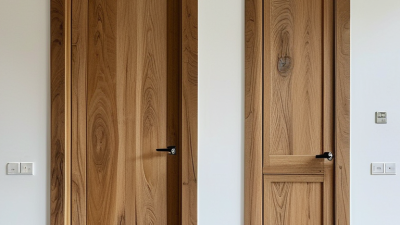
Grain direction affects both beauty and stability. Quarter-sawn boards usually resist movement better than flat-sawn boards. Straight grain can create a calm, even surface, while cathedral grain looks more dramatic. Solid wood is not automatically stronger. A well-made engineered core can reduce warping through seasonal changes. Look for tightly joined stiles and rails, durable adhesives, and thin, balanced veneers. Poorly matched layers may reveal stress at the corners.

Construction details often matter more than the wood’s price. A mortise-and-tenon frame can provide dependable strength when joined accurately. Check the door’s bottom edge, threshold, weather seals, and drainage path. These small areas face constant moisture. I once focused too much on a beautiful walnut face and overlooked its exposed lower edge. That mistake taught me to inspect the complete door, not just its front. Ask how the finish is applied, including the top and bottom edges. In wet or sunny locations, professional measurement and installation are worth the expense. Even experienced installers can miss movement if the frame is not square.

How to Choose the Right Wooden Front Door? — Comparing Wood Species, Grain, and Construction Methods
Wood Species Typical Grain Appearance Approx. Janka Hardness
(lbf)
Dimensional Stability Weathering and Rot Resistance Workability and Finish Best-Fit Application
White Oak Prominent straight grain; frequently shows attractive ray fleck on quarter-sawn boards. About 1,360 Good; generally more stable than red oak. Good natural decay resistance, especially when properly finished and maintained. Machines and stains well; open pores may require a smooth finish or grain filler. Durable traditional or contemporary entry doors exposed to normal outdoor conditions.
Red Oak Strong, open, mostly straight grain with warm pink-to-red tones. About 1,290 Moderate; more susceptible to moisture movement than white oak. Moderate outdoor durability; requires reliable sealing on all faces and edges. Easy to machine, glue, stain, and clear-coat; highly visible grain pattern. Covered entrances or protected porches where appearance and value are priorities.
Genuine Mahogany Usually straight and interlocked grain with a fine, even texture. About 900 Very good; typically has relatively low shrinkage and swelling. Good natural resistance to decay and moisture when sustainably sourced and finished correctly. Easy to work and carve; accepts stain, paint, and clear finishes evenly. High-quality exterior doors requiring stability, refined grain, and easy finishing.
Teak Generally straight grain, sometimes wavy, with a naturally oily surface. About 1,070 Excellent; low movement in changing humidity compared with many hardwoods. Excellent natural resistance to moisture, insects, and decay. Very durable, but oily surfaces must be cleaned and prepared carefully before coating. Highly exposed entrances, humid climates, and projects where long-term weather resistance is important.
Black Walnut Mostly straight grain with occasional waves, curls, or distinctive figure. About 1,010 Good; usually stable after proper drying and construction. Moderate natural decay resistance; needs a high-quality exterior finish. Machines and finishes well; rich brown color can lighten with sunlight. Decorative, sheltered entry doors where color and premium appearance are central considerations.
Western Red Cedar Straight, generally uniform grain with a fine to medium texture and visible growth lines. About 350 Good; lightweight and relatively resistant to moisture-related movement. Good natural decay and insect resistance, but soft surfaces can dent more easily. Easy to cut and finish; commonly left stained or clear-coated to show its natural color. Lightweight doors, rustic designs, and damp climates when protected from impact and maintained.
Construction Methods and Selection Guidance
Solid Wood Slab Continuous or wide solid-wood components with visible natural variation. Movement: higher Offers authentic texture and repairability, but expands and contracts with seasonal humidity. Requires careful moisture control, adequate sealing, and correctly designed joints. Best for traditional character when the site has a protected entrance and the door is properly engineered for movement.
Engineered Wood Core Stable core made from bonded wood components, often covered with a hardwood veneer. Movement: low to moderate Usually more dimensionally stable than a wide solid slab. The exterior veneer and all edges still need durable weather protection. A strong general-purpose choice for changing seasons, wide doors, and improved resistance to warping.
Stile-and-Rail Construction Vertical stiles and horizontal rails joined around panels or insulated sections. Movement: controlled Individual components can move more predictably across the grain than one large panel. Sound joinery and floating panels are important. Traditional panel designs, especially where architectural detailing and serviceability are desired.
Veneered Door Thin, carefully selected hardwood face bonded to a stable engineered substrate. Movement: low Provides the appearance of premium wood while reducing seasonal movement. Damaged veneer can be more difficult to repair than solid wood. Modern designs, large door leaves, and locations where stability is more important than solid-wood construction.
Insulated Exterior Door Wood skins or veneers combined with an insulating core and weather-resistant edge construction. Movement: low Can improve thermal performance and reduce weight. Performance depends on edge seals, glazing, thresholds, and installation quality. Cold or hot climates where energy efficiency and indoor comfort are major priorities.
Practical note: Janka hardness values are approximate averages and vary by species, growing conditions, moisture content, and test method. For any exterior wood door, finish every exposed face, edge, and cutout, use compatible weather seals, and inspect the finish regularly.

Choose the Right Door Style, Size, and Opening Configuration

How to Choose the Right Wooden Front Door?

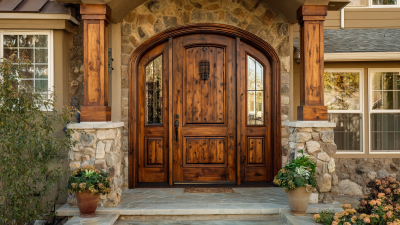
Choosing a wooden front door starts with the home’s character. A simple panel door suits traditional houses, while clean, wide boards complement modern façades. Glass panels can brighten a dark hallway, but they may reduce privacy. Consider the street view, surrounding windows, and the amount of sunlight before selecting the style. Details matter.

Size must match both the entrance and daily use. Measure the opening at several points, because older walls are rarely perfectly square. Record the height, width, jamb depth, and threshold level. Measure twice. A door that is too narrow feels awkward when carrying furniture. One that is too wide may need structural changes. Leave practical clearance for weather seals, flooring, and seasonal movement in the timber.

The opening configuration also affects comfort.

A single door works well in compact entrances. A double door creates a generous passage, though one leaf usually remains fixed. An entrance with a side panel adds light without requiring a wider moving door. In windy areas, an inward-opening door can offer better control, depending on local requirements and the building layout.

I once focused too heavily on appearance and underestimated the swing space. That mistake made the entry feel cramped.

A qualified installer should check the frame, hinges, drainage, and compliance details before fabrication. A beautiful door still fails if it rubs, leaks, or blocks the hallway.

Evaluate Energy Efficiency, Security, and Weather Resistance

A wooden front door should be judged beyond its appearance. The U.S. Department of Energy reports that windows and doors can account for 25–30% of residential heating and cooling energy use. Choose a door with a low U-factor, a tight compression seal, and insulated glass when glazing is necessary. A solid timber slab feels substantial, but its performance depends on installation. Check the frame, threshold, hinges, and perimeter seal as carefully as the wood itself.

Security requires tested components, not impressive hardware alone. The FBI recorded 847,522 burglary offenses in the United States during 2023. Select a reinforced frame, long screws into structural framing, and a tested multi-point locking system. Ask for documented resistance testing where available. A strong lock cannot compensate for a weak strike area. I have seen attractive doors fail because the surrounding frame flexed first.

Tips: Compare the NFRC label for U-factor and air leakage. Look for WDMA Hallmark certification or equivalent testing for air, water, and structural performance. Inspect the sill after heavy rain, especially on exposed elevations. Maintain the finish regularly; neglected timber absorbs moisture and may swell. However, ratings are not magic. Local wind, driving rain, sunlight, and installation quality can change real performance. A careful site assessment may matter more than a perfect specification sheet.

Plan Installation, Finishing, Maintenance, and Long-Term Care

Choosing a wooden front door begins with installation, not appearance. Measure the opening at several points, because older walls rarely stay square. Leave the manufacturer’s recommended clearance for seasonal movement. The USDA Forest Products Laboratory’s Wood Handbook explains that wood expands and contracts as moisture content changes. A tight summer fit can become a difficult winter problem.

Use a sill pan, flexible flashing, and low-expansion foam around the frame. Keep drainage paths open. Poor sealing can waste energy; the U.S. Department of Energy reports that air leakage may account for 5–30% of a home’s heating and cooling energy use.

A careful installer should check the threshold with a level and test the latch before finalizing the trim. Small errors become expensive later.

Finish every exposed surface, including the top and bottom edges. Those hidden edges absorb moisture quickly. Choose a coating suited to the door’s exposure, then apply thin, even coats over clean, dry wood. Inspect the finish twice yearly for hairline cracks, dull patches, or soft spots near the threshold. Clean gently with mild soap and water. Avoid pressure washing.

Maintenance is not glamorous. It is effective. Keep sprinklers away from the door, repair failed caulk promptly, and lubricate hinges before they squeak. The USDA guidance supports controlling moisture as a central part of wood durability. I would still question any promise of “maintenance-free” performance; sunlight, rain, and changing humidity eventually test every finish.