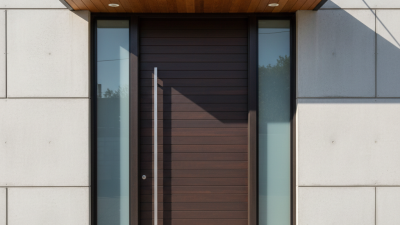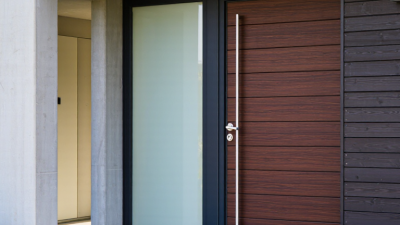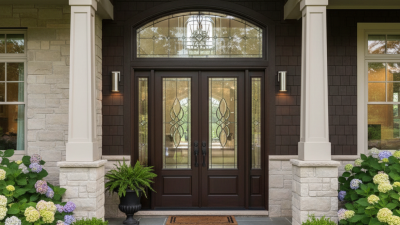
What Are the 7 Best Modern Doors for Global Buyers?

Choosing modern doors is no longer only a matter of appearance. Global buyers now examine thermal performance, security, material durability, accessibility, and installation support.

The International Energy Agency reports that buildings account for about 30% of global energy demand. Therefore, a well-sealed entrance door can support better indoor comfort and lower heating or cooling losses. The U.S. Department of Energy also recommends checking insulation, weatherstripping, glazing, and installation quality. These details matter in a glass-and-aluminum pivot door, a narrow black steel door, or a warm oak entrance with concealed hinges.

The market is changing quickly.

Architectural expert Louis Kahn described the door as “a place of invitation.” His words still guide practical design choices. A beautiful door should welcome people, not create maintenance problems. Based on guidance from the International Code Council, FGIA performance standards, and current sustainable-building research, this guide compares seven modern doors for international projects. It considers climate, opening size, security hardware, energy performance, and replacement access.

The seven choices include pivot, sliding, folding, flush, steel-and-glass, timber, and smart-entry doors. Each offers clear strengths. Each also has weaknesses. For example, oversized pivot doors create a dramatic entrance, but they may require stronger frames and careful alignment. Smart locks add convenience, yet connectivity can fail. That uncomfortable detail deserves attention.

No single design suits every buyer. Regional weather, shipping conditions, local workmanship, and building requirements can change the final decision. This guide aims to make that decision more informed, practical, and honest.
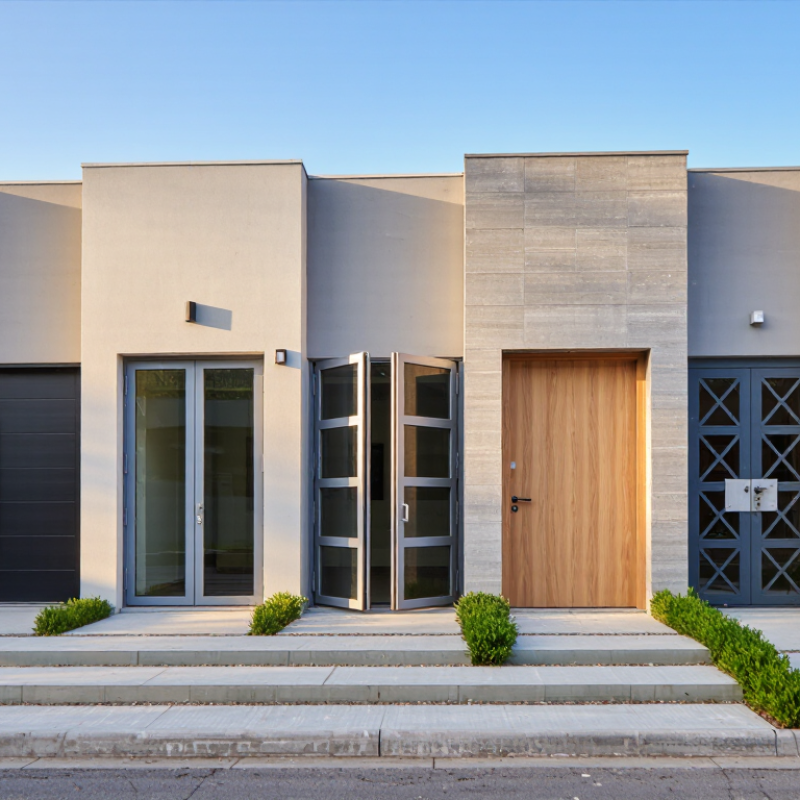
What Are the 7 Best Modern Doors for Global Buyers?

What Defines a Modern Door for International Buyers

What Are the 7 Best Modern Doors for Global Buyers?

For international buyers, a modern door means more than a clean, simple appearance. It should combine reliable performance, practical materials, and flexible design. Popular options include flush doors, pivot doors, sliding glass doors, slim-frame metal doors, solid wood doors, insulated exterior doors, and smart-ready entry doors. Each type serves a different building need.

A flush door creates a calm interior with almost no visual interruption. A pivot door offers a bold entrance, but it needs careful structural planning. Sliding glass doors increase daylight and save space. Insulated exterior doors help control heat, cold, and outdoor noise. Material choice also matters. Wood adds warmth, while aluminum resists moisture and usually needs less maintenance. However, a modern look cannot replace proper testing. Buyers should check air leakage, water resistance, thermal performance, hardware quality, and local installation requirements. A sleek door is not automatically a good door.

Tips: Confirm the opening size before ordering. Request technical drawings, finish samples, warranty terms, and maintenance instructions. Check whether the door suits the local climate. Coastal areas may require stronger corrosion protection. Cold regions need better insulation and tight seals. Ask about packaging and delivery protection. Small details matter. I would also leave room for doubt: digital locks sound convenient, but backup access and service support should never be ignored. The best choice is the door that matches the building, climate, budget, and daily habits.

What Are the 7 Best Modern Doors for Global Buyers?

Modern doors combine clean design with measurable performance. The chart compares indicative thermal transmittance values for seven widely specified contemporary door formats. Lower U-factor values indicate better insulation. Actual performance varies by frame material, glazing, size, installation quality, and local climate requirements.

How to read this chart: Insulated flush, fiberglass, and engineered timber doors generally provide strong thermal performance. Large glazed systems such as lift-and-slide, folding, and pivot doors can still perform well when they use low-emissivity glass, insulated frames, and effective weather seals.

Indicative benchmark values are representative midpoints of commonly published performance ranges for EN 14351-1 and ISO 10077-1 compliant door and window assemblies. They are intended for early-stage international comparison, not product certification.

Seven Modern Door Styles and Their Key Advantages

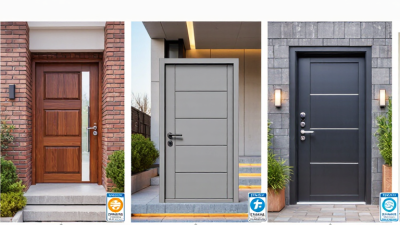
Modern doors now combine clean lines, practical performance, and regional adaptability. Seven styles deserve attention from global buyers. Pivot doors create a dramatic entrance and suit wide openings. Sliding doors save floor space in compact homes. Flush doors offer quiet, minimal surfaces with simple maintenance. Framed glass doors bring daylight into darker hallways. Louvered doors improve airflow in humid rooms. Slim-panel doors add texture without visual weight. Smart-ready doors support controlled access and easier monitoring.

Tips: Match the door to the climate, not only the photograph. UNEP’s 2023 Global Status Report says buildings consume about 34% of global energy and produce roughly 37% of energy-related emissions. Insulated cores, accurate weather seals, and low-emissivity glass can therefore matter more than decorative hardware. In hot regions, shaded glass may reduce indoor heat. In colder areas, thermal breaks deserve closer inspection. Small details matter.

The International Energy Agency reports that cooling demand is rising as global temperatures increase. This makes ventilation and solar control increasingly valuable. Louvered doors can help airflow, but they may reduce privacy. Glass doors brighten interiors, yet fingerprints and glare remain real concerns. Pivot systems feel impressive, though their hinges need precise installation. Flush designs look effortless, but poor alignment becomes obvious. Ask for tested U-values, air-leakage results, corrosion ratings, and replacement-part availability. Local installers may reveal problems that catalogues hide. That feedback can change the best choice.

How Materials, Security, and Energy Efficiency Compare

For global buyers, seven strong modern door choices are steel, fiberglass, aluminum, engineered wood, solid wood, insulated glass, and composite. Each material performs differently across climates. Steel provides excellent impact resistance, but exposed edges may rust in coastal air. Fiberglass resists moisture and offers reliable insulation. Aluminum looks sleek and suits humid regions when it includes thermal breaks.

Engineered wood offers warmth with better stability than many solid timber doors. Solid wood feels substantial, though it needs careful sealing and regular inspection.

Insulated glass doors bring daylight, but laminated glazing and quality locks are essential for security. Composite doors combine layered materials and usually provide balanced strength, insulation, and low maintenance.

No material wins everywhere. That matters.

Tips: Check the door’s U-value, air leakage rating, frame quality, and local installation rules. Ask for tested resistance data, not attractive claims. In cold regions, prioritize insulated cores and tight seals. In hot regions, consider solar-control glass, shading, and pale exterior finishes. A beautiful door can still waste energy when its threshold leaks. My preference may change by project, because budget, weather, and maintenance capacity often matter more than appearance.

Choosing the Right Modern Door for Different Climates

What Are the 7 Best Modern Doors for Global Buyers?

Choosing a modern door begins with the local climate, not appearance. In hot regions, solar heat can turn dark metal into a serious indoor burden. Thermally broken aluminum doors, insulated fiberglass doors, and composite doors reduce heat transfer. Low-emissivity glass also helps, but large glass panels still need exterior shading. Small details matter.

Humid and coastal homes need corrosion-resistant finishes, sealed joints, and stainless-steel hardware. Fiberglass and composite doors usually tolerate moisture better than untreated wood. Solid wood can still work in wet climates, but it needs stable construction and regular maintenance. Steel doors offer strength and clean lines, yet exposed edges may rust when drainage is poor. I have seen beautiful installations fail because water collected beneath the threshold.

Cold climates demand insulated cores, tight weather seals, and frames that limit thermal bridging. Thermally broken aluminum, insulated steel, and high-performance fiberglass are practical choices. Triple glazing may improve comfort near large entrances. However, excessive insulation can increase cost without solving poor installation. The wall connection matters as much as the door panel. In windy areas, check tested air leakage and water resistance ratings. In earthquake-prone or high-wind regions, local structural requirements must guide the final selection. No modern door fits every climate perfectly. A careful site review is still necessary.

What Are the 7 Best Modern Doors for Global Buyers? — Choosing the Right Modern Door for Different Climates

Modern Door Type Typical Construction Best Climate Applications Indicative Thermal Performance Moisture, UV and Corrosion Resistance Key Advantages Important Selection Considerations
Insulated Fiberglass Entry Door Fiberglass-reinforced skin over a polyurethane or polystyrene insulated core, usually installed in a weather-sealed frame. Cold Mixed Hot Common insulated door assemblies may achieve approximately 0.7–1.8 W/m²·K (U-0.12–0.32 Btu/h·ft²·°F), depending on glazing, frame and size. Very good resistance to rot, insects and general moisture. Factory-applied finishes provide good UV protection, but dark colors can increase heat gain in strong sunlight. Strong insulation-to-weight ratio, low maintenance, stable dimensions and a wide range of smooth or wood-grain finishes. Check the complete tested door assembly rather than the slab alone. Confirm threshold drainage, perimeter gaskets and the finish warranty for high-sun locations.
Thermally Broken Aluminum Door Powder-coated or anodized aluminum profiles separated by a low-conductivity polyamide thermal barrier; may include insulated panels or low-e glazing. Hot Coastal Mixed Well-designed thermally broken systems commonly fall around 1.4–2.8 W/m²·K (U-0.25–0.49), with performance strongly affected by glazing and frame size. Excellent resistance to warping and insects. Anodized or marine-grade powder-coated finishes improve resistance to sunlight and coastal exposure; untreated steel hardware can still corrode. Clean modern appearance, large opening sizes, slim sightlines, high structural strength and good dimensional stability. Specify a genuine thermal break, stainless or corrosion-resistant hardware, adequate drainage and a finish suitable for the local salt and UV exposure.
Engineered Wood Door Multi-layer wood construction, often using laminated veneers, composite cores and moisture-resistant edge treatment. Cold Dry Mixed Solid insulated wood door assemblies often provide approximately 1.0–2.0 W/m²·K (U-0.18–0.35), depending on core, thickness and glazing. Better dimensional stability than a basic solid-wood slab, but still requires a durable exterior coating and protection from persistent rain or standing water. Natural appearance, good acoustic mass, repairable surface finishes and strong thermal performance when properly sealed. Use overhangs, sill protection and four-sided sealing in wet climates. Regular inspection and refinishing may be required, especially on exposed elevations.
Insulated uPVC Door Multi-chamber rigid uPVC frame with reinforced sections, insulated panels and compression seals; often paired with double or triple glazing. Cold Wet Coastal Complete insulated systems commonly achieve approximately 0.8–1.8 W/m²·K (U-0.14–0.32), depending on reinforcement, glazing and frame design. Very good resistance to rain, rot and salt air. White and light-colored profiles generally reduce solar heat buildup; lower-quality profiles may discolor under intense UV. Low maintenance, good air-tightness, reliable weather seals and strong value for residential projects. Verify profile reinforcement, weld quality, hardware durability and resistance to high wind loads. Large dark panels may experience greater thermal movement.
Insulated Steel Security Door Galvanized or coated steel skins over a foam-insulated core, usually combined with reinforced locks, hinges and a multi-point locking system. Cold Dry High Security Insulated steel door assemblies may reach approximately 1.0–2.0 W/m²·K (U-0.18–0.35); thermal bridging can occur around edges and hardware. Good when galvanized and properly coated. Any damaged coating or unprotected cut edge can rust, especially in humid or marine environments. High impact resistance, strong security options, good fire-rated product availability and relatively low air leakage when correctly installed. Choose corrosion-protected steel, insulated frames and a threshold designed to prevent condensation. Confirm local fire, egress and security requirements.
Composite Door A combination of materials such as fiberglass or resin skins, reinforced polymer edges, engineered cores and insulated frames. Cold Wet Mixed Coastal Many high-quality composite assemblies are designed within approximately 0.8–1.6 W/m²·K (U-0.14–0.28), subject to configuration and glazing. Generally strong resistance to moisture, rot and deformation. UV performance depends on the outer skin and coating system. Combines low maintenance with good insulation, security, appearance flexibility and resistance to everyday impact. Review the material composition, edge sealing, hardware compatibility and replacement-part availability. Composite performance varies significantly between constructions.
Thermal Sliding Glass Door Large insulated glass panels in thermally improved aluminum, uPVC or composite frames; commonly fitted with low-e double or triple glazing. Hot Mild Mixed Coastal High-performance double-glazed systems often range from 1.3–2.5 W/m²·K (U-0.23–0.44); triple glazing can perform better in cold climates. Glass itself resists moisture and corrosion, but tracks, rollers, seals and drainage require regular cleaning. Solar-control coatings help limit overheating. Maximizes daylight and outdoor connection, supports wide openings and can provide effective ventilation when designed with operable panels. Specify low-e glass, a suitable solar heat-gain coefficient, laminated safety glass where required, robust drainage and wind-load testing for exposed sites.
Data note: Thermal values are indicative ranges for complete door assemblies and are expressed in metric U-value and approximate imperial U-factor units. Actual results vary with door size, glazing, frame design, weather seals, installation quality, solar exposure and local testing standards. Buyers should request independently tested performance data for the exact configuration.

What Global Buyers Should Check Before Ordering a Door

What Are the 7 Best Modern Doors for Global Buyers?

What Global Buyers Should Check Before Ordering a Door

A modern door is not chosen by appearance alone. Global buyers should compare thermal performance, weather resistance, security, hardware, and installation requirements. The 2023 UNEP Global Status Report for Buildings and Construction reports that buildings consumed about 34% of global energy in 2022. A poorly sealed door can undermine an otherwise efficient building envelope.

Check the declared U-value, air-leakage rating, water resistance, and wind-load test results. Ask whether the data applies to the complete door assembly, not only the panel. Insulated steel, fiberglass, thermally broken aluminum, timber, sliding glass, pivot, and fire-rated doors can perform very differently. The correct choice depends on climate and use. A coastal entrance needs corrosion-resistant hardware and reliable drainage. A cold-climate door needs continuous seals and a low-conductivity frame. Hot regions may require solar-control glazing.

Standards matter, but paperwork can still hide gaps. Request reports from an independent laboratory and confirm the test standard, date, sample size, and factory configuration. Relevant references may include EN 14351-1, ASTM performance methods, or local building codes. The International Energy Agency notes that building operations produce roughly 26% of global energy-related emissions. That makes small envelope decisions worth checking carefully. A low U-value looks impressive, but it may mislead without installation details. Measure the rough opening twice. Confirm swing direction, threshold height, packaging, replacement parts, and after-sales support before payment. A perfect specification cannot rescue a poor installation. That lesson is easy to overlook.