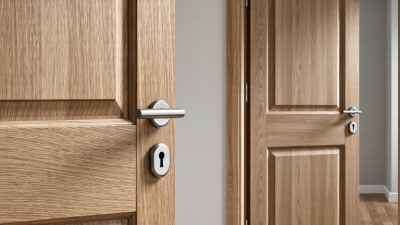
2026 How to Choose White Internal Doors?
Choosing white internal doors in 2026 involves more than matching a neutral wall colour. The right door can brighten a narrow hallway, soften a modern room, or make a small home feel more connected. However, white is not one fixed shade. Brilliant white may look crisp in strong daylight, while warm white often suits oak floors and cream walls better.
This guide explores how to choose white internal doors with practical details in mind. We will consider door styles, materials, glazing, finishes, sizes, hardware, and everyday maintenance. A smooth painted door may be easy to clean, but it can reveal fingerprints near busy handles. A moulded design adds character, although its grooves may collect dust. Personal experience matters here. A door that looks impressive in a showroom may feel too bright, fragile, or noisy at home.
Measure carefully.
Reliable decisions should combine manufacturer specifications, installation advice, and the conditions of your property. Check the opening width, wall thickness, swing direction, and available clearance before ordering. Consider moisture levels in kitchens, utility rooms, and bathrooms, because not every finish performs equally well. Safety, durability, and correct fitting should guide the final choice, rather than appearance alone.
There is no perfect white internal door for every household. Budget, light, cleaning habits, and architectural style all change the answer. Even expert recommendations need questioning when real rooms, real children, or uneven floors enter the picture. Use the following guidance to compare attractive options honestly and choose doors that remain practical beyond the first impression.
What Are White Internal Doors and Why Are They Popular?
White internal doors are doors used inside a home, finished with white paint, laminate, veneer, or a factory coating. They separate bedrooms, bathrooms, kitchens, and living areas. Unlike exterior doors, they focus on privacy, sound control, and appearance rather than weather resistance.
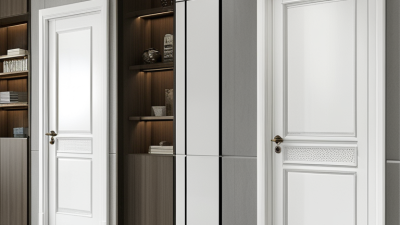
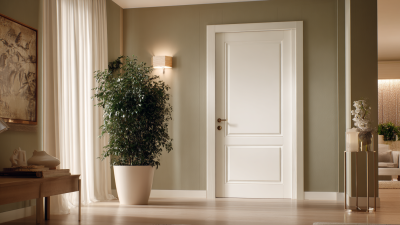
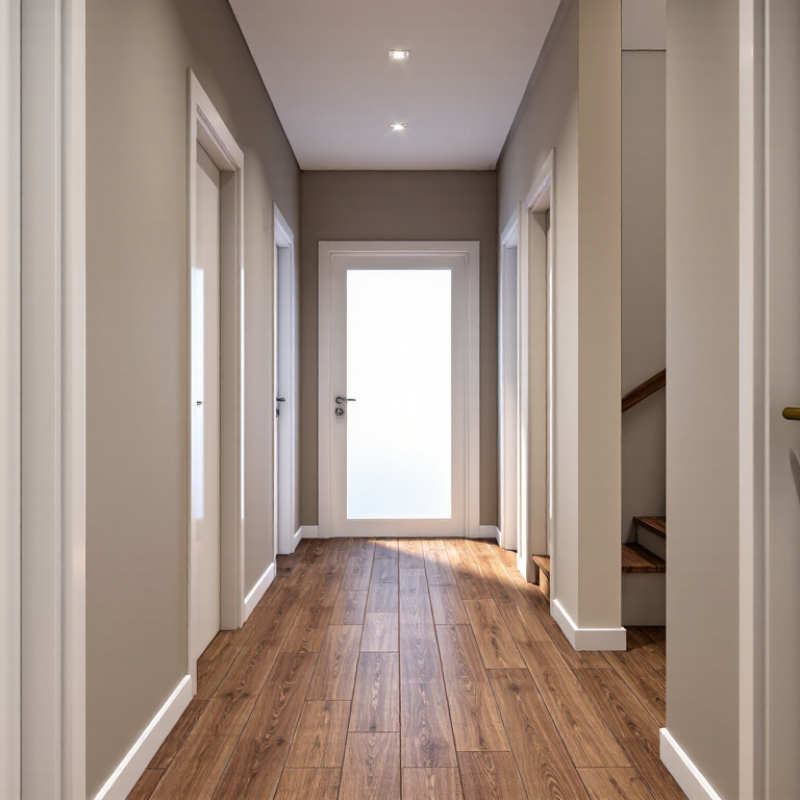
In real homes, a white door reflects daylight across a narrow hallway. It can make a small landing feel less enclosed. The effect is subtle but useful. Common styles include smooth slab, shaker, glazed, and panelled designs. A smooth door suits modern rooms. A panelled door creates gentle shadow lines. Glass shares light, but it reduces privacy. That trade-off matters.
Their popularity comes from flexibility. White works with timber floors, painted walls, metal handles, and changing furniture. It also appears clearly in property photographs.
From a practical viewpoint, white surfaces reveal scratches and muddy fingerprints quickly. That is not always a disadvantage. Problems are found earlier. However, bright white can look stark beside warm cream walls.
I once assumed every white door would brighten a dark corridor, but cool lighting made one space feel flat and clinical. Finish matters too. Satin coatings are often easier to wipe than porous painted surfaces. Check the door’s thickness, hinge quality, and relevant safety requirements before choosing. Small details affect daily comfort.
How to Choose the Right Door Style and Material
Choosing white internal doors starts with the room’s function, not a catalogue photograph.
A painted hollow-core door suits bedrooms and light-use areas. It costs less and feels easier to install. However, its lighter structure can sound less solid. For studies, bathrooms, and busy hallways, consider a solid-core or engineered-wood door. It usually offers better acoustic control and a steadier feel. EPA guidance on composite wood products highlights formaldehyde emission limits under TSCA Title VI. Check compliance documents before buying. Do not rely on “low emission” printed on packaging alone.
Style
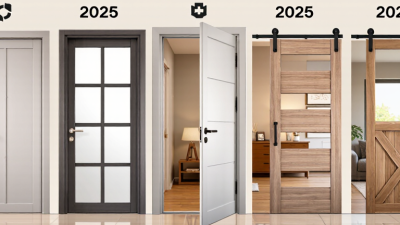
should support the architecture. Shaker doors give clean shadows and work with modern or traditional interiors. Flat-panel doors look calmer in narrow corridors. Glazed panels can borrow daylight, but privacy glass may still reveal movement. In renovation planning, the 2024 U.S. Houzz & Home Study recorded a median spending level of about $25,000. That figure reminds me to protect the budget for hinges, frames, trimming, and repainting. A beautiful slab is useless if the frame is twisted. I have seen this mistake repeatedly.
Tips:
Measure the opening in three places. Choose the smallest reliable width. Match the white tone with skirting boards and wall paint. Warm whites can look yellow beside cool lighting. Test a sample near the floor, not only beside a window. Ask for core type, surface finish, moisture rating, and certification. FSC’s 2024 Facts & Figures report documents more than 160 million certified forest hectares, but certification alone does not guarantee the right door. Check the full product specification. Personal taste still matters, sometimes inconveniently.
How to Select the Correct Door Size and Opening Direction
2026 How to Choose White Internal Doors?
How to Select the Correct Door Size and Opening Direction
Choosing a white internal door begins with accurate measurements, not appearance alone. Measure the opening width at the top, middle, and bottom. Record the smallest measurement. Do the same for height on both sides. Floors are rarely perfectly level. Measure the distance between finished floor and the top of the frame, not the unfinished subfloor. Also check the wall thickness and frame depth. A beautiful door can still fail if its casing is too shallow.
Decide whether you need a door leaf or a complete pre-hung unit. Their measurements are not interchangeable. Leave suitable clearance for hinges, flooring, and seasonal movement. A few millimetres can matter. Do not rely on an assumed “standard” size. Regional building practices differ, and older homes often have unusual openings.
Opening direction needs equal attention. Stand on the side where the door opens toward you. If the hinges are on the right, it is right-handed; if they are on the left, it is left-handed. Check nearby walls, radiators, cupboards, and light switches before deciding. The handle should be comfortable to reach, and the open door should not block a safe route. I have seen careful measurements fail because the finished floor was forgotten. Recheck after flooring is installed, and compare every dimension with the installation instructions and local requirements.
How to Compare Installation, Maintenance, and Long-Term Value
Choosing white internal doors in 2026 means comparing the whole ownership cycle, not only the showroom price. The 2024 Houzz & Home Study reported a median U.S. renovation spend of $24,000 in 2023. That figure makes installation mistakes expensive. A cheaper door can lose its value after repeated adjustments, poor hinge alignment, or a frame that twists slightly.
Request an installed quote, not just a door price. Compare trimming, frame preparation, architraves, handles, disposal, and touch-up work. Hollow-core doors usually reduce lifting and material costs, while solid-core doors offer better privacy and a heavier feel. However, heavy doors demand stronger hinges and accurate fixing. Small details matter. A two-millimetre gap can become irritating every day.
Maintenance also affects long-term value. White surfaces reveal fingerprints, shoe marks, and uneven repainting quickly. Satin finishes often hide minor wear better than high-gloss coatings. Use a soft damp cloth, then dry the lower edge, especially near bathrooms. The U.S. Environmental Protection Agency’s Indoor airPLUS Construction Specifications recommend low-emitting coatings and adhesives, so ask for product documentation during installation. RICS Whole Life Carbon Assessment, 2nd edition, advises evaluating materials across their full life cycle. That supports choosing repairable doors, replaceable hardware, and standard sizes. I would not assume the most expensive slab lasts longest. Poor installation can defeat good materials. Compare warranties carefully, and question claims that lack testing evidence.