Top 10 Waste Management Plant Solutions for Global Buyers?
As the world grapples with rising waste production, effective waste management becomes crucial. A well-designed Waste Management Plant addresses various environmental challenges, providing solutions that benefit communities and industries alike. These plants play a pivotal role in recycling, waste reduction, and energy recovery.
Buyers globally seek innovative Waste Management Plant solutions that can accommodate diverse waste streams. Factors such as technology, scalability, and cost-effectiveness are key considerations. Yet, many solutions may not be ideal in every situation, prompting a need for reflection on specific requirements and local contexts. Understanding the unique needs of different regions can often lead to missed opportunities.
The quest for efficient waste management reflects a broader commitment to sustainability. Various solutions exist, yet the effectiveness of these plants varies greatly. By exploring ten top waste management options, buyers can make informed decisions that align with their environmental goals. Balancing innovation with practicality is essential for successful implementation.
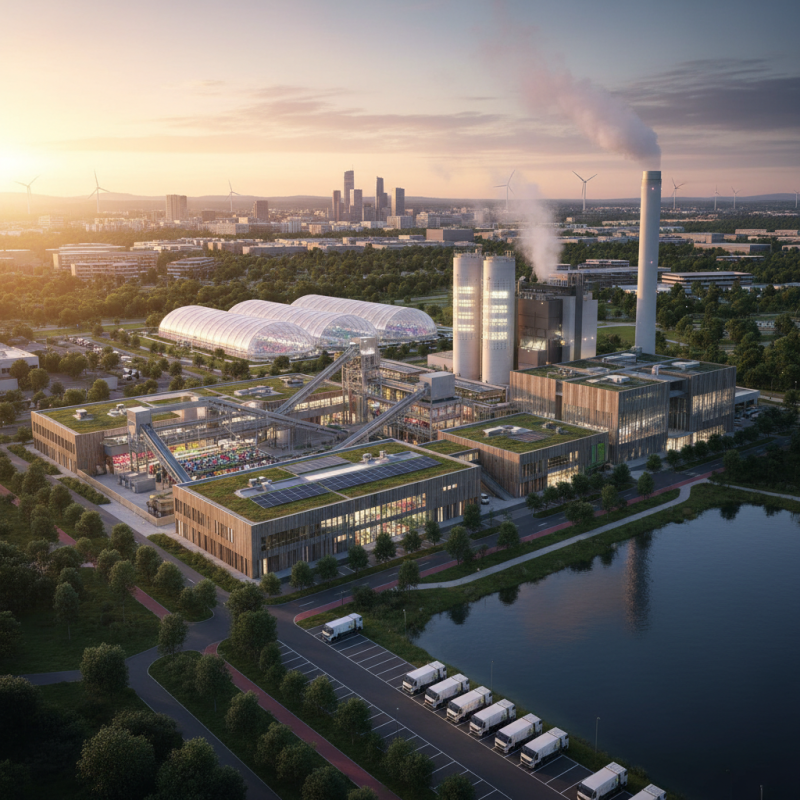
Top 10 Waste Management Technologies Reshaping Global Practices
The waste management landscape is rapidly transforming, driven by innovative technologies. One significant trend is the rise of anaerobic digestion. This method not only reduces landfill waste but also generates biogas. A report from the American Biogas Council indicates that biogas production could meet 10% of U.S. energy needs by 2030. This statistic highlights a promising shift towards renewable energy sources.
Another emerging technology is waste-to-energy (WtE) systems. These systems convert non-recyclable waste into usable heat, electricity, or fuel. According to the International Energy Agency, WtE facilities can significantly cut greenhouse gas emissions. They can potentially reduce up to 1 billion tons of CO2 annually by using waste as a resource. However, the implementation of WtE technologies raises concerns about air quality and public health.
Circular economy models are also reshaping waste management practices. They emphasize reusing materials and minimizing waste production. A report by the Ellen MacArthur Foundation points out that transitioning to a circular economy can unlock $4.5 trillion in economic benefits by 2030. Yet, achieving such a transition requires collaboration among governments, businesses, and consumers. Addressing this challenge is critical for sustainable growth and environmental stewardship.
Key Features of Effective Waste Management Plants for International Markets
Waste management plants play a crucial role in managing global waste challenges. Key features of effective facilities should include advanced sorting technologies and efficient recycling processes. These elements enhance the overall performance, allowing for higher recovery rates. The integration of renewable energy sources can also improve plant sustainability.
Tips: Always assess the local regulations before building or upgrading a facility. Compliance is crucial to operations. Additionally, engaging with the community fosters support and can improve plant adaptability.
Monitoring and data analytics are essential in modern waste management. They allow real-time tracking of waste flows and processing efficiency. This leads to informed decisions, driving improvements in both operations and sustainability. However, not all facilities adapt these tools effectively. A gap remains in understanding their full potential.
Tips: Invest in training staff on new technologies. Continuous education helps bridge the gap and enhances overall effectiveness. Remember, innovation is only valuable if the team can implement it properly.
Comparative Analysis of Waste Treatment Methods and Their Effectiveness
When it comes to waste management, various methods are employed worldwide. Each method presents strengths and weaknesses. For instance, incineration effectively reduces waste volume. However, it can release harmful emissions if not managed properly. Municipalities often struggle with balancing efficiency and environmental impact.
Landfills remain a common choice, yet they occupy vast land areas. They can contaminate soil and groundwater if not designed correctly. Composting offers an eco-friendly alternative, turning organic waste into usable soil. Yet, it requires community participation and awareness, which can be challenging.
Advanced technologies like anaerobic digestion and waste-to-energy systems also exist. They can convert waste into energy but require high initial investment. Effectiveness often depends on local infrastructure and regulations. Each method has room for improvement, urging stakeholders to analyze their approaches critically.
Top 10 Waste Management Plant Solutions for Global Buyers
| Waste Treatment Method | Efficiency (%) | Energy Recovery (MJ/kg) | Cost (USD/ton) | Environmental Impact |
| Incineration | 85 | 5.5 | 120 | High emissions, requires advanced filtration |
| Landfilling | 30 | 0 | 30 | Leachate and methane issues |
| Composting | 75 | 0 | 15 | Low emissions, natural method |
| Advanced Recycling | 90 | 3.2 | 150 | Reduces landfill waste significantly |
| Mechanical Biological Treatment | 70 | 1.5 | 80 | Manageable emissions, potential for biogas |
| Pulverization | 65 | 0.5 | 70 | Dust concerns, limited energy recovery |
| Thermal Treatment | 80 | 4.0 | 140 | Need for emission controls |
| Plasma Gasification | 95 | 6.0 | 200 | Low environmental impact, but high cost |
| Bio-digestion | 85 | 2.5 | 60 | Generates biogas, lower emissions |
| Hydrothermal Carbonization | 80 | 2.0 | 110 | Less energy-intensive, produces solid fuel |
Investment Trends in the Global Waste Management Sector: Key Insights
The global waste management sector is evolving rapidly. Investment trends reflect a growing concern for sustainable practices. Countries are prioritizing environmentally friendly waste solutions. Investors show interest in technologies that reduce landfill waste and enhance recycling efforts. Innovative solutions play a crucial role in shaping this industry.
Developing nations are witnessing a spike in waste management investments. Governments seek to address increasing waste production. Advanced technologies like AI and IoT are becoming essential. They help streamline operations and improve efficiency. However, challenges persist. Many facilities struggle with outdated equipment. Efforts to shift to more sustainable methods often face financial constraints.
The need for collaboration among stakeholders is evident. Public-private partnerships can drive significant change. Sharing knowledge and resources will foster innovation. While financial commitments are growing, many remain skeptical about implementation. Balancing profit motives with environmental responsibilities remains a key challenge. Increased awareness among consumers could encourage more sustainable practices.
Environmental Impact Metrics of Leading Waste Management Solutions
Waste management solutions are crucial for reducing environmental impact. Assessing these solutions involves metrics that evaluate efficiency, emissions, and resource recovery. Effective waste management facilities minimize landfill use and promote recycling and composting. These processes play a vital role in conserving natural resources.
Many methods exist for measuring environmental impact. Carbon footprint, energy consumption, and water usage are essential metrics. Some plants excel in these areas, yet others may have hidden drawbacks. The reliance on technology can offset emissions, but it is not always foolproof. Evaluating the trade-offs is necessary for a holistic understanding of their effectiveness.
Further analysis reveals that while some technologies seem advanced, their real-world applications can fall short. Maintenance, infrastructure, and local regulations impact performance significantly. Investing in waste management requires careful consideration of these elements. Sustainable solutions must continually evolve based on data and community feedback. This adaptability is key to achieving long-term environmental goals.
Top 10 Waste Management Solutions - Environmental Impact Metrics