How to Choose the Best Multi Parameter Water Quality Analyzer at Canton Fair?
As the demand for accurate water quality monitoring increases, the multi parameter water quality analyzer stands out. In various reports, the global market for these devices is expected to grow significantly, driven by industrial and environmental needs. Selecting the right analyzer at the Canton Fair can empower businesses to meet stringent quality standards.
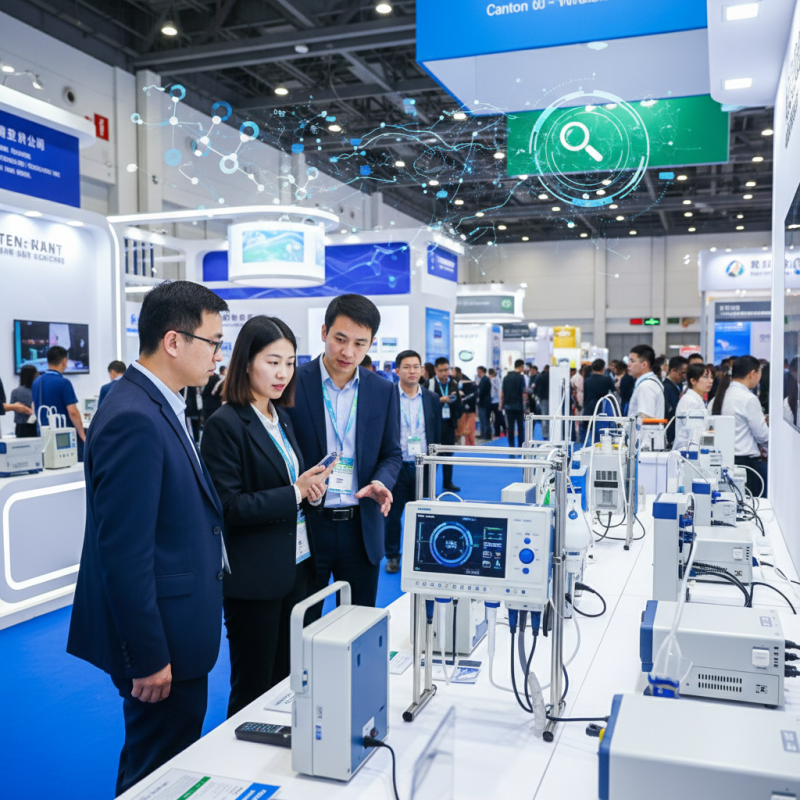
The Canton Fair, set to welcome attendees in April 2026, offers a diverse range of exhibitors. Innovations in AI technology enhance the search for certified suppliers, like those offering multi parameter water quality analyzers. Efficiency will be key, as attendees navigate over 155,000 square meters of exhibition space. The pressure to choose wisely can be overwhelming.
It’s essential to assess specific features, such as sensitivity and compatibility with existing systems. Keeping certifications and supplier reliability in mind is crucial. Even with advanced tools, selecting the right analyzer is not purely data-driven; intuition and experience play vital roles. Reflecting on these factors can lead to better decision-making and ultimately, improved water quality management.
Understanding the Importance of Multi-Parameter Water Quality Analyzers
Multi-parameter water quality analyzers are vital tools for assessing water quality in various environments. They measure parameters like pH, turbidity, dissolved oxygen, and more. According to a report by ResearchAndMarkets, the global water quality monitoring market is projected to reach $4.5 billion by 2027. This growth underscores the increasing awareness of water quality issues worldwide.
Notably, multi-parameter analyzers enhance efficiency. They provide quick results. This allows for faster decision-making in environmental monitoring. Moreover, with stringent regulations around water safety, these devices become indispensable for industries and municipalities. Regular calibration is essential to maintain accuracy. Neglecting this can lead to misleading results.
Tips:
- When choosing a water quality analyzer, consider the specific parameters you need.
- Assess whether portability matters for your application.
- Additionally, check for user-friendly interfaces. Complex systems can deter effective usage.
- Always refer to updated guidelines for best practices in water testing.
Key Features to Look for in Water Quality Analyzers
When exploring the Canton Fair for a multi-parameter water quality analyzer, understanding key features is vital. Look for sensors that can measure various parameters, such as pH, turbidity, and dissolved oxygen. The more parameters a device can analyze, the easier it is to get a comprehensive view of water quality. Compact and portable models often offer convenience, but may lack advanced features. Evaluate your specific needs to find a balance between functionality and portability.
Moreover, software integration is another crucial aspect. The analyzer should easily connect with data management systems. User-friendly interfaces can simplify operations, making it easier to interpret results. Consider the display quality as well; a clear, easily readable screen helps in quick assessments. Think about battery life too. A device that needs constant recharging can disrupt fieldwork.
Calibration options also deserve attention. Some analyzers require frequent calibration, while others have more stable readings. It’s essential to reflect on your experience with maintenance. If a device is too complex, it may not be worth the investment. Choosing the right analyzer involves careful thought and evaluation of these factors.
Water Quality Parameters Comparison
Comparing Different Brands and Models at Canton Fair
When attending the Canton Fair, one of the main tasks is comparing the multi-parameter water quality analyzers. A variety of models are displayed, each claiming to be the best. Look for ones with user-friendly interfaces. Simplicity is key. After all, a complicated device may lead to mistakes during usage.
Consider the sensor types offered by different models. Some analyzers feature advanced sensors for specific parameters. Check whether these are replaceable or fixed. This factor impacts long-term maintenance. Keep an eye on the product specifications provided at the booths. However, the information can sometimes be overwhelming or unclear. Don’t hesitate to ask questions.
Another aspect to review is customer support options. Brands may vary significantly in their after-sales services. It's crucial to know how responsive they are after purchase. Pay attention to warranty details as well. Sometimes, they may seem appealing but can have hidden limitations. It’s not easy to get everything right during the fair, but thorough comparisons can lead to better decisions.
Evaluating Price vs. Performance in Water Quality Instruments
Choosing the right multi-parameter water quality analyzer involves careful consideration of price and performance. At events like the Canton Fair, numerous instruments are presented. Each claims to excel in precision and reliability. A higher price tag does not always guarantee better performance. Often, mid-range models perform comparably to premium ones.
When evaluating options, focus on crucial parameters. Look for analyzers that measure pH, turbidity, conductivity, and dissolved oxygen. It’s important to compare calibration methods, ease of use, and durability. Consider whether the device allows for upgrades or expandable features. Sometimes, sales representatives may highlight certain features that might not be necessary for your needs.
Many analyzers have complex specifications. It can be overwhelming to sift through technical jargon. Test data may look impressive, but real-world results can differ. Don’t hesitate to ask for demonstrations. It’s essential to reflect on your specific requirements before making a decision. Balance price against essential features to find a suitable option.
Tips for Effective Negotiation and Purchase Decisions at the Fair
When attending the Canton Fair, making effective negotiation and purchase decisions is crucial. Data indicates that nearly 70% of international buyers identify price as the main factor when choosing water quality analyzers. However, quality and features shouldn’t be overlooked. Many models may seem similar, but differences can impact performance and longevity.
Many buyers rush into deals. They often fail to thoroughly assess product specifications and supplier reliability. Conducting background research on potential suppliers can save you from costly mistakes. Consider asking about certifications and user reviews. Verifying these details is essential but easily overlooked. Inconsistent supplier performance can lead to significant losses, impacting your overall business.
Negotiate effectively by understanding market trends. According to industry reports, the demand for multi-parameter water quality analyzers is growing by 8% annually. This growth can influence prices, so be prepared to negotiate. Flexibility in terms can lead to mutually beneficial outcomes. Always keep an eye on long-term relationships over short-term gains. Remember, a good deal isn’t just about price; it’s about value.