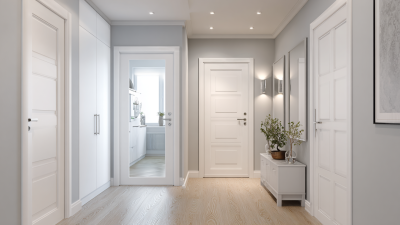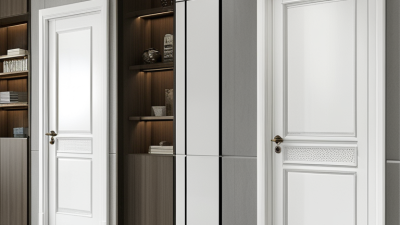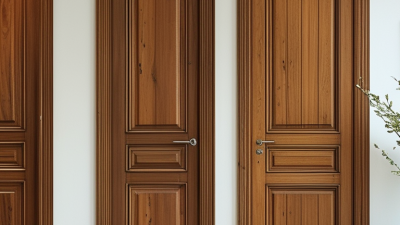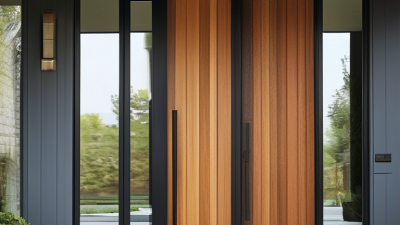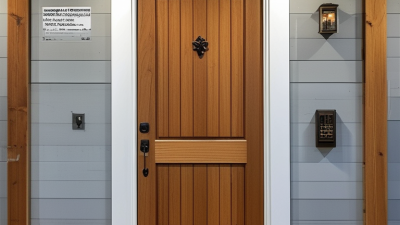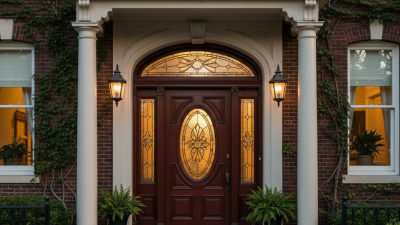
Choosing front doors with glass involves more than comparing attractive styles online. The right door should welcome daylight, support household security, and suit the building’s structure. A narrow entry may benefit from a vertical glass panel, while a wide porch can accommodate double doors with balanced glazing. Details matter. Notice how morning light reaches the hallway, where rain collects, and whether visitors can see directly into private rooms.
This guide shares ten practical tips based on common installation considerations, manufacturer guidance, and real-world design experience. It explores glass types, frame materials, energy performance, privacy levels, hardware, maintenance, and professional fitting. Tempered or laminated glass can provide added protection, but product ratings still require careful checking. A reputable installer should confirm measurements, weather sealing, drainage, and local building requirements before work begins. Small gaps can create large problems.
Beauty can mislead.
A dramatic glass entrance may feel open and modern, yet it might expose family activity after dark. Frosted glass may improve privacy, though some patterns collect dust around their textured surfaces. Energy-efficient glazing can reduce heat transfer, but performance depends on the entire door assembly, not glass alone. These choices deserve a practical review rather than a rushed purchase. Even experienced homeowners can overlook hinge clearance or the direction of the swing. That is worth admitting. By considering appearance, comfort, durability, and verified product information together, homeowners can choose a glass entry door that performs well beyond its first impression.
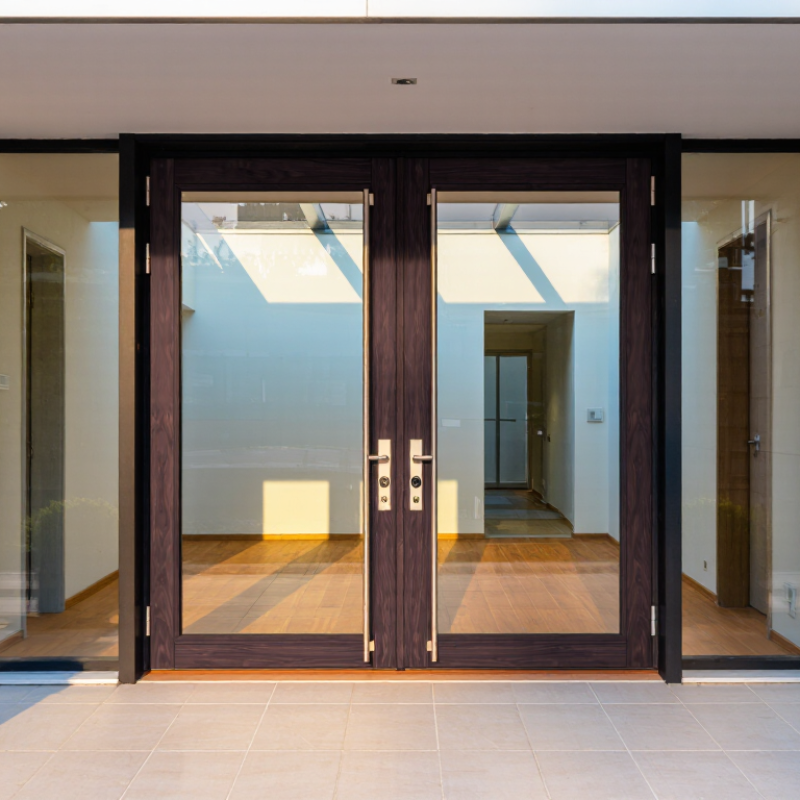
10 Tips for Choosing Front Doors with Glass
Set Energy Goals Using DOE’s 25–30% Window-Loss Benchmark
The U.S. Department of Energy estimates that windows can account for 25–30% of household heating and cooling energy use. A glass front door adds to that exposed area. Set a clear target before comparing styles. Tip 1: Measure the doorway accurately. Tip 2: Check the door’s U-factor. Lower values usually indicate better insulation. Tip 3: Review the solar heat gain coefficient for your climate. Tip 4: Prefer insulated glass with a low-emissivity coating. Tip 5: Consider double glazing before choosing decorative single glass.
Small gaps matter. Tip 6: Inspect weatherstripping around every edge. Tip 7: Choose a tight threshold that resists drafts and rain. Tip 8: Ask how the frame connects with the wall. Poor installation can weaken excellent glass performance. Tip 9: Test the latch and seal before accepting the work. Tip 10: Compare projected energy savings with the full purchase and installation cost.
In practice, a shaded entrance may need different glass from a sun-facing doorway. Orientation changes the result. Darker glass can reduce glare, but it may also reduce daylight. I once assumed thicker glass solved every problem. It did not. The frame, seal, and installation often mattered more than expected. Use documented performance data, then confirm local weather conditions with a qualified installer. Energy targets should guide the choice, not replace careful inspection.
Use the following measurable criteria to compare glazed front doors. The energy targets are practical planning values; final performance should be confirmed from the product’s independently certified ratings and local building requirements.
| Tip | Decision Dimension | Recommended Target or Check | Why It Matters | How to Verify |
|---|---|---|---|---|
| 1 | Set an energy-loss baseline | Use the U.S. Department of Energy benchmark that windows can account for approximately 25–30% of residential heating and cooling energy use. | A glazed entry door is part of the home’s window-and-door envelope, so reducing glass and frame heat transfer can support lower loads. | Compare the proposed door’s certified U-factor and air-leakage rating with the existing door or project target. |
| 2 | Prioritize a low U-factor | Choose the lowest practical whole-door U-factor; use approximately 0.30 Btu/h·ft²·°F or lower as a strong comparison goal where suitable products are available. | Lower U-factor means less conductive heat flow through the complete door assembly. | Review the whole-unit rating, not only the center-of-glass value. Confirm the units are Btu/h·ft²·°F. |
| 3 | Select suitable glazing layers | Prefer double glazing for general efficiency upgrades; consider triple glazing in severe heating or cooling climates when the added weight, cost, and frame capacity are acceptable. | Additional glazing layers and insulating cavities generally reduce conductive heat transfer and improve interior comfort. | Check the certified U-factor, visible transmittance, glass thickness, and cavity configuration. |
| 4 | Match the solar heat-gain coefficient | Use a lower SHGC, often around 0.25–0.40, for strong cooling exposure; use a moderate or higher value where beneficial winter solar gain is desired and overheating is controlled. | SHGC indicates the fraction of incident solar radiation admitted through the glazing. | Assess orientation, shading, climate, and room overheating risk before selecting the glass coating. |
| 5 | Control air leakage | Look for a low certified air-leakage value; a comparison goal of 0.30 cfm/ft² or lower is commonly used for high-performing fenestration products. | Uncontrolled infiltration can increase heating and cooling demand and create drafts around the entry. | Check the tested air-leakage rating and inspect weatherstripping, corner seals, threshold seals, and installation joints. |
| 6 | Evaluate frame and edge performance | Favor thermally improved frames, insulated cores, and low-conductivity spacers; avoid making the glass rating the only selection criterion. | Frames, spacers, and door edges can create thermal bridges and cold interior surfaces. | Request whole-door performance data and inspect the frame cross-section or construction specification. |
| 7 | Balance daylight and privacy | Choose visible transmittance according to the entry’s daylight needs; use textured, laminated, or selectively screened glass when privacy is important. | Higher visible transmittance can increase daylight, while privacy treatments can reduce views without eliminating natural light. | Compare visible-transmittance values, privacy appearance, glare potential, and nighttime visibility from outside. |
| 8 | Specify safety glazing | Use safety glazing where required by local code, particularly for glass near doors, low panes, sidelites, or locations subject to human impact. | Tempered or laminated safety glass is designed to reduce injury risk when glazing is broken or impacted. | Confirm the safety-glazing marking, hazard-location requirements, and local code provisions before ordering. |
| 9 | Check water and wind resistance | Select a tested assembly appropriate for the site’s exposure, wind conditions, rainfall, and entry overhang. | A well-sealed door can reduce water intrusion, drafts, finish damage, and premature maintenance. | Review product test reports and confirm sill pan, flashing, drainage, and sealant details in the installation instructions. |
| 10 | Include installation in the energy goal | Require a square, plumb, level installation with continuous perimeter sealing and correctly adjusted weatherstripping. | Gaps around the frame can undermine the rated performance of even an efficient door. | Use a written installation checklist, inspect before interior trim is installed, and perform a draft or smoke-pencil check. |
Choosing a front door with glass requires more than checking appearance. Compare its NFRC U-factor and Solar Heat Gain Coefficient (SHGC) before considering frame color or decorative glass. U-factor measures heat transfer; lower values indicate better insulation. SHGC measures how much solar heat enters through the glass. NFRC ratings provide a consistent, laboratory-based comparison.
Climate changes the better choice. In cold or mixed climates, a low U-factor helps reduce winter heat loss. A moderate or higher SHGC can admit useful sunlight on south-facing entrances. In hot climates, a lower SHGC limits unwanted heat, especially when afternoon sun strikes the door. The U.S. Department of Energy reports that windows can represent 25% to 30% of residential heating and cooling energy use. A glazed door is smaller, but poor performance still matters near an entryway.
Check the entire door assembly, not glass alone. Look for the certified NFRC label, perimeter seals, insulated cores, and installation details. The 2021 International Energy Conservation Code also sets different fenestration requirements across climate zones, showing why one rating cannot fit every home. That sounds simple. It is not. A low SHGC may reduce summer gains but increase winter heating demand. I would also inspect the actual entrance: a shaded porch, deep overhang, or north-facing orientation can change the decision. Data guides the choice, but sunlight on the threshold tells the fuller story.
When choosing a glass front door, request documented compliance with ANSI Z97.1 and CPSC 16 CFR 1201. These standards evaluate glazing for impact resistance, breakage behavior, and safe-use performance. Tempered glass typically breaks into small granules. Laminated glass can remain attached to an interlayer after cracking. The right choice depends on location, design, and local installation requirements.
Look for permanent markings on the glass or an accessible compliance label. Ask the supplier for test reports, not only verbal assurances. CPSC’s 2023 NEISS estimates recorded more than 3.5 million consumer-product-related emergency-department injuries nationwide. Glass-door incidents are only one subset, but the figure shows why injury prevention deserves attention. A door beside a busy hallway needs careful risk assessment. So does a panel near a child’s shoulder height.
Check the entire assembly, including sidelights, decorative inserts, hinges, and framing. A compliant pane can still create problems if installed poorly. Sharp exposed edges, loose stops, or incorrect clearances deserve immediate correction. Avoid relying on “safety glass” as a vague sales phrase. Request the exact standard, test category, and manufacturer documentation. I have seen homeowners focus on appearance first, then discover that a narrow glass strip was never evaluated as part of the door system. That mistake is easy to repeat. A qualified installer should verify measurements, markings, and applicable building rules before ordering.
Glass front doors can brighten a dark entryway, but visible transmittance deserves careful attention.
According to the National Fenestration Rating Council, VT measures the fraction of visible light passing through glass on a 0–1 scale. A VT of 0.60 transmits roughly 60% of visible light under laboratory conditions. Real daylight still depends on orientation, shadows, frame size, and nearby buildings.
The U.S. Department of Energy reports that lighting uses about 15% of electricity in an average American home. Higher VT may reduce daytime lamp use, especially in a deep hallway.
However, a west-facing door with clear glass can produce sharp afternoon glare. Place a hand near the handle during a site visit. If sunlight feels uncomfortable there, the glass may need lower VT or exterior shading.
Moderate VT, often around 0.40–0.60, can be a practical starting point, not a universal rule.
Privacy changes the decision. The Lawrence Berkeley National Laboratory’s International Glazing Database provides optical data for comparing glass samples, including visible transmittance and reflectance. Use that information with a physical sample.
Textured or fritted glass can preserve daylight while obscuring faces, although it may soften the view more than expected. I once underestimated evening privacy because the glass looked opaque indoors.
At night, interior lights reverse the effect. Curtains, blinds, or a recessed entry can correct that weakness without replacing the door.
10 Tips for Choosing Front Doors with Glass?
A glass front door should earn its place through tested energy performance and secure construction. Check the ENERGY STAR label, then read the NFRC label beside it. The label reports U-factor and solar heat gain coefficient by climate zone. Lower U-factor generally means better insulation. ENERGY STAR’s residential door criteria are climate-specific, so one model may not suit every region. Measure twice. I have seen attractive doors fail because installers ignored air leakage around the frame.
Security hardware deserves equal attention. Choose a reinforced frame, a solid strike area, and a deadbolt tested under recognized ANSI/BHMA standards. Laminated or impact-rated glass can resist forced entry better than ordinary annealed glass. However, glass strength does not replace careful installation. A long screw driven into framing is more dependable than a short screw placed only in trim. Small detail, major difference.
Local rules can change the entire specification. The 2021 International Residential Code addresses safety glazing near doors, egress conditions, weather protection, and opening sizes, but local authorities may adopt different editions or amendments. Confirm requirements with the building department before ordering. The U.S. Department of Energy’s residential energy-code analyses also show that compliance depends on climate and construction details, not labels alone. Ask for the product’s performance documentation, installation instructions, and inspection requirements. Do not assume the contractor knows every local exception.