| 1 |
Certified Fire-Door Installer |
Fire-rated doorsets in offices, apartments, hotels, schools, and industrial buildings. |
Relevant fire-door installation training, documented project references, product installation instructions, and evidence that the complete doorset is compatible with the required fire rating. |
Confirm that the installer follows the applicable local fire code and the doorset manufacturer’s tested installation method. Request photographs of hinges, seals, frames, closers, and gaps. |
A fire-rated door can lose its tested performance if the frame, seals, hardware, or installation method is changed without approval. |
| 2 |
Accessibility-Focused Door Fitter |
Public buildings, healthcare facilities, schools, housing projects, and entrances used by people with limited mobility. |
Knowledge of the project’s accessibility rules, door-clearance drawings, threshold details, opening-force test records, and experience with accessible hardware. |
Measure clear opening width, threshold height, maneuvering space, closer force, handle position, and accessible route continuity after installation. |
A technically functional door may still fail accessibility requirements because of excessive opening force, unsuitable thresholds, or insufficient maneuvering clearance. |
| 3 |
Security and High-Performance Entrance Fitter |
Security-sensitive residential, commercial, financial, data, and storage facilities. |
Security-door experience, hardware schedule, cylinder and lock specifications, frame anchoring details, and a written explanation of the intended security level. |
Inspect frame-to-wall fixing, lock alignment, strike-plate reinforcement, hinge protection, door-to-frame gaps, and resistance to levering at the installed location. |
A strong door leaf cannot provide the intended security if the frame, wall connection, hinges, or locking points are weak. |
| 4 |
Energy-Efficient Exterior Door Fitter |
Cold, hot, humid, windy, or high-energy-cost climates where air leakage and thermal bridging must be controlled. |
Installation experience with insulated frames, weather seals, sill drainage, thermal breaks, and the specified door’s tested thermal and air-performance data. |
Review the installation detail for perimeter sealing, sill support, drainage, insulation continuity, and correct adjustment of compression seals. |
Poor perimeter sealing or incorrect sill installation can reduce energy performance and allow water or air infiltration. |
| 5 |
Automatic Door and Access-Control Technician |
Retail entrances, hospitals, airports, offices, apartment buildings, and other high-traffic facilities. |
Training for the selected operator and sensors, commissioning procedure, safety-test checklist, maintenance plan, and emergency-release procedure. |
Test activation zones, closing speed, presence sensors, safety reversal, manual operation, power failure behavior, and integration with access-control equipment. |
Incorrect sensor positioning, unsafe closing force, or poor emergency operation can create injury, evacuation, and compliance risks. |
| 6 |
Commercial Hardware and Door-Set Specialist |
Large commercial projects requiring coordinated hinges, closers, panic devices, locks, seals, and door scheduling. |
A complete hardware schedule, door-by-door compatibility review, load calculations where applicable, and experience coordinating multiple trades. |
Compare the approved schedule with the installed hardware, verify handing and clearances, and test every door for latching, closing, and egress operation. |
Mismatched hardware can cause binding, premature wear, non-latching doors, accessibility problems, or conflicts with fire and egress requirements. |
| 7 |
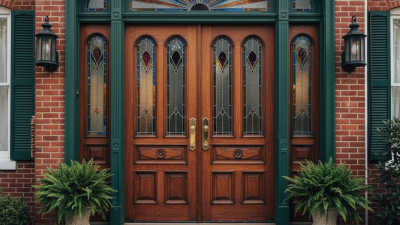
Heritage and Traditional-Joinery Door Fitter |
Historic buildings, conservation areas, traditional homes, and projects requiring visual continuity with existing architecture. |
Photographs of comparable restoration work, joinery drawings, moisture-management details, repair-versus-replacement recommendations, and references from conservation projects. |
Review profiles, timber movement allowances, paint or finish compatibility, glazing details, and the proposed fixing method before work begins. |
Modern replacement methods may damage historic fabric or create moisture problems if they ignore the original construction and ventilation behavior. |
| 8 |
Residential Renovation Door Fitter |
Home replacements, apartment refurbishments, internal door upgrades, and small remodeling projects. |
Written quotation, measured opening sizes, scope of removal and disposal, trim and making-good details, warranty terms, and recent customer references. |
Require a site measurement before ordering, confirm the wall and floor condition, and inspect alignment, reveals, latch operation, and finish quality at handover. |
Ordering from nominal dimensions alone can result in incorrect door size, unsuitable handing, uneven reveals, or unexpected building work. |
| 9 |
International Project and Procurement Fitter |
Cross-border projects involving imported doorsets, local installation, multiple languages, or different measurement systems. |
Experience with shipping documentation, import requirements, packaging inspections, local-code coordination, installation drawings, and responsibilities clearly divided between supplier and fitter. |
Use approved drawings, confirm metric or imperial dimensions, inspect delivered goods before installation, and record serial numbers, defects, and site changes. |
Unclear responsibility for customs, damage, taxes, missing hardware, or local compliance can create delays and unplanned costs. |
| 10 |
Aftercare and Door-Maintenance Specialist |
Facilities with many doors, high usage, strict uptime requirements, or the need for scheduled maintenance after installation. |
Maintenance checklist, response-time commitment, replacement-parts process, inspection frequency, service reporting format, and escalation procedure for safety defects. |
Request a baseline condition report and verify that future inspections cover hinges, closers, seals, locks, automatic operators, fire-door gaps, and fixings. |
Without planned maintenance, doors may become difficult to close, fail to latch, lose weather sealing, or develop unsafe operating conditions. |